

Introduction
The rise of artificial intelligence in the sales landscape has fundamentally transformed how businesses engage with clients and streamline their operations. At the heart of this revolution is the Agent Engine - a powerful tool that automates essential tasks while enhancing the customer experience through advanced technologies such as natural language processing and machine learning.
However, as organizations strive to leverage this innovative engine, they often encounter significant challenges in effectively implementing and optimizing their AI sales agents. How can businesses ensure they are maximizing the potential of their AI systems while navigating common pitfalls? This question is crucial for any organization looking to thrive in the evolving sales environment.
Understand the Agent Engine and Its Role in Sales Optimization
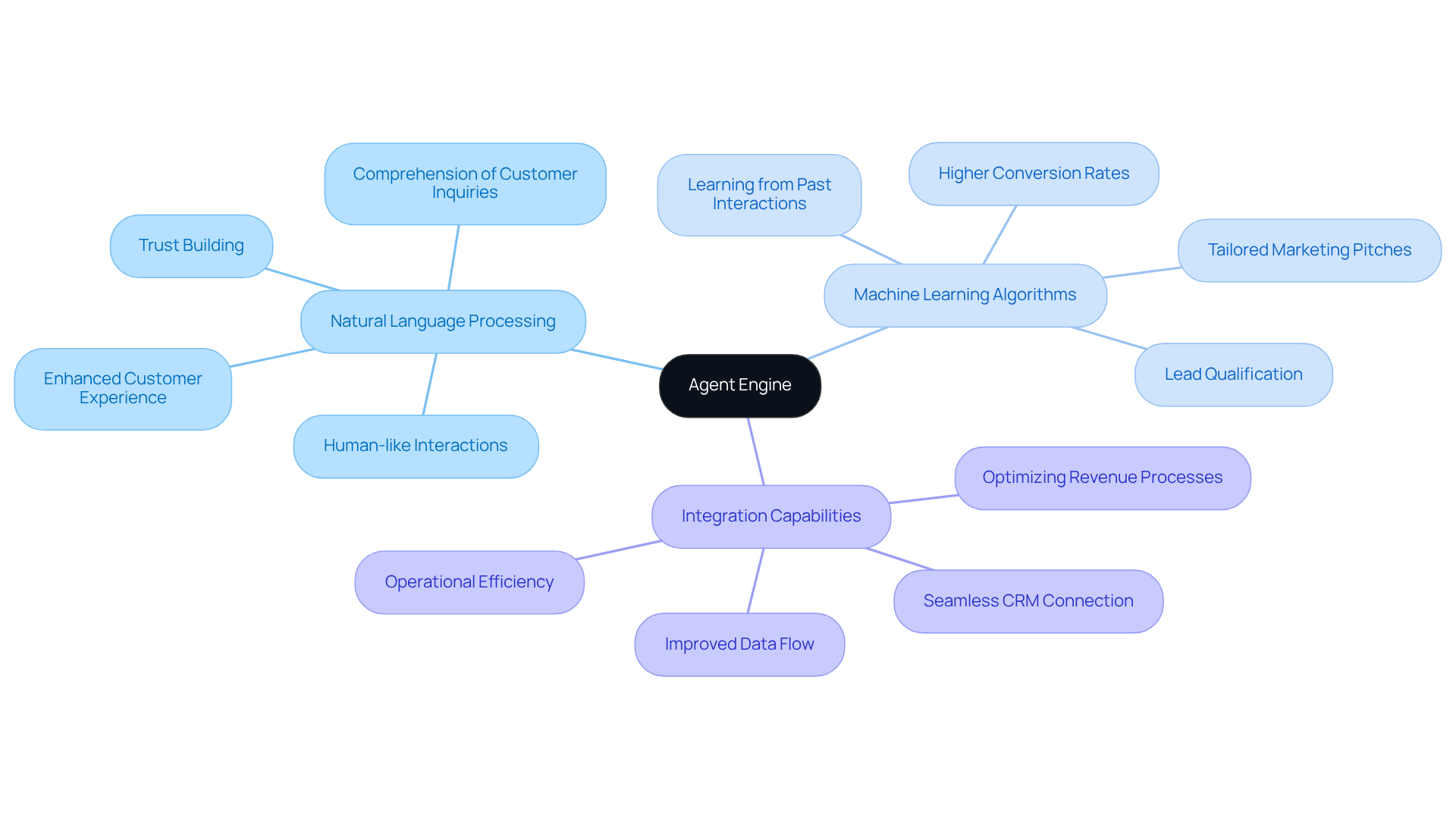
The Agent Engine is the cornerstone of Intone's AI sales representatives, enabling them to carry out essential tasks like lead qualification, payment reminders, and client support. Understanding its structure is crucial, as it reveals how the agent engine processes information, learns from interactions, and automates business functions.
-
Natural Language Processing (NLP) is a key feature that enables the agent to comprehend and respond to customer inquiries in a conversational manner. This capability fosters human-like interactions, building trust and significantly enhancing the customer experience.
-
Machine Learning Algorithms play a vital role as well, allowing the representative to learn from past interactions. This continuous learning process enhances its ability to qualify leads and tailor marketing pitches, ultimately driving higher conversion rates.
-
Moreover, the Engine boasts Integration Capabilities, seamlessly connecting with existing CRM systems. This integration improves data flow and operational efficiency, which is essential for optimizing revenue processes.
By mastering these components, businesses can leverage the agent engine to streamline their sales processes, enhance customer interactions, and alleviate representative burnout through automation and real-time performance monitoring.
Prepare Your Environment for Agent Engine Implementation
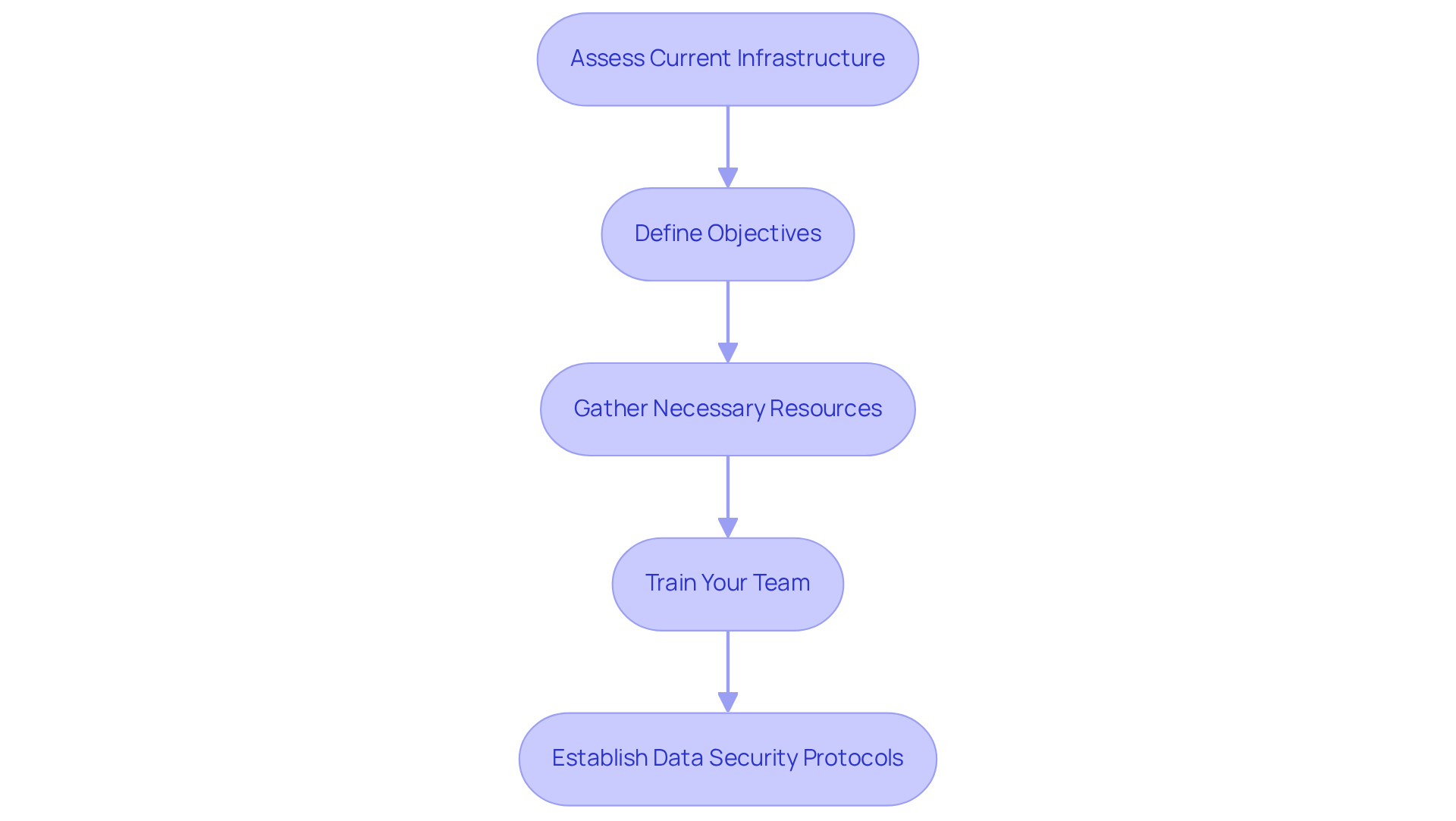
To effectively prepare your environment for the Agent Engine, follow these essential steps:
-
Assess Current Infrastructure: Begin with a thorough evaluation of your existing systems, including CRM and telephony solutions, to ensure their compatibility with the agent engine. This step is crucial; organizations leveraging AI for lead qualification have reported revenue cycles shortened by up to 5% when their systems are well-integrated.
-
Define Objectives: Clearly outline your goals for the AI sales representative. Whether it’s improving lead conversion rates or enhancing customer support, establishing clear, quantifiable objectives is vital. In fact, 83% of teams utilizing AI indicate revenue growth when they set defined goals for integration.
-
Gather Necessary Resources: Ensure you have the required hardware and software resources, including cloud services, to support the System Engine. As AI technologies evolve, investing in robust infrastructure becomes essential. Organizations prioritizing data quality and infrastructure readiness can avoid unreliable models and ensure effective AI deployments.
-
Train Your Team: Provide comprehensive training for your marketing and IT teams on effectively using and managing the agent engine. Fostering a culture of AI literacy within your organization can significantly enhance team morale and collaboration. Notably, 75% of executives report improvements in these areas post-implementation.
-
Establish Data Security Protocols: Implement stringent security measures to protect sensitive client data, ensuring compliance with regulations such as SOC 2. With 2% of professionals expressing concerns about privacy issues related to AI, establishing trust through strong security practices is essential for successful adoption.
By adhering to these preparatory measures, you can create an ideal environment for the effective implementation of your AI sales representative, ultimately leading to enhanced revenue performance and increased client satisfaction.
Create and Deploy Your AI Sales Agent Using the Agent Engine
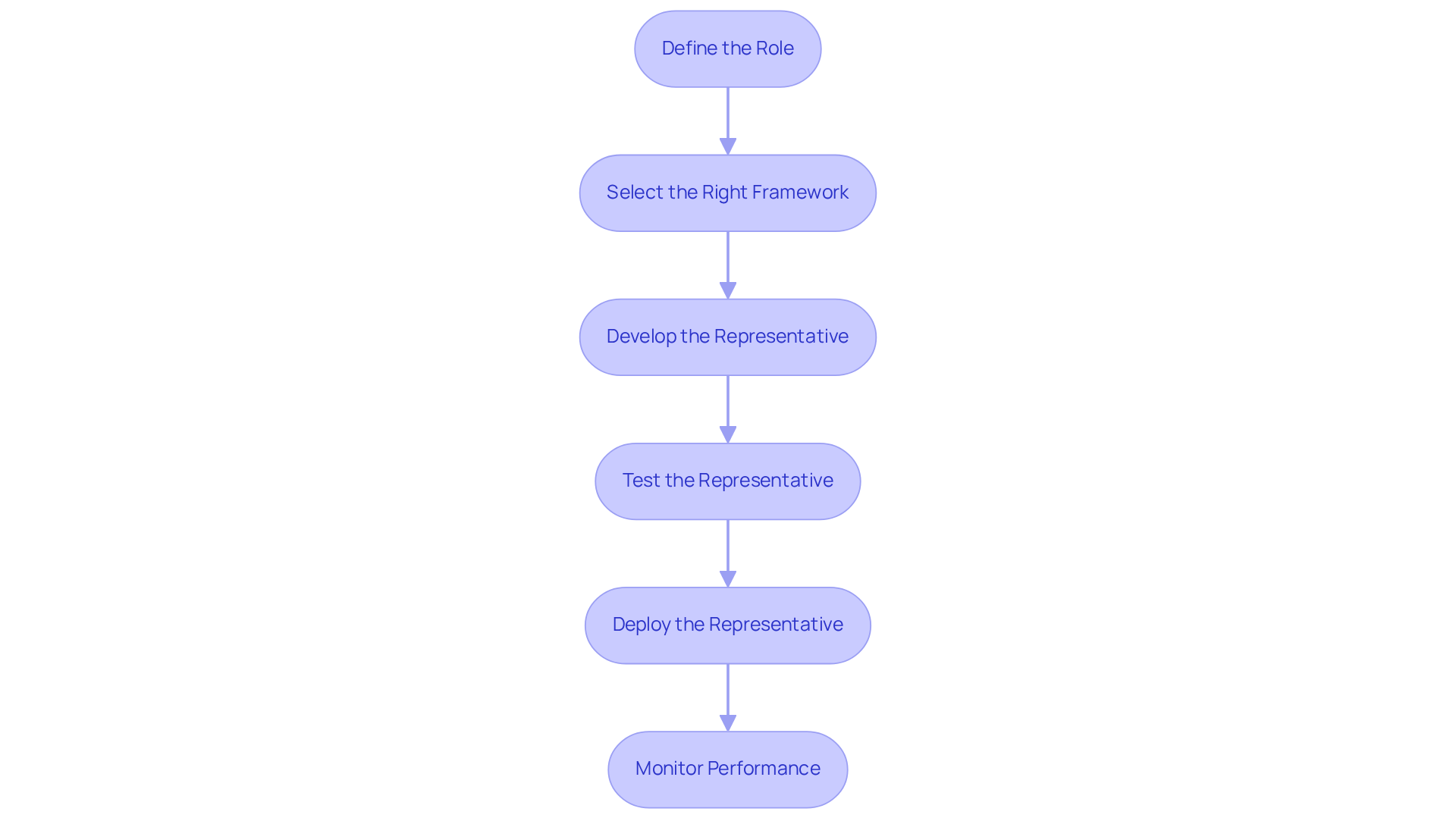
To effectively create and deploy your AI sales agent with Intone, follow these structured steps:
-
Define the Role: Clearly outline the specific functions your AI sales representative will undertake, such as lead qualification, payment reminders, or customer support. This foundational step sets the stage for a successful implementation.
-
Select the Right Framework: Choose a suitable framework for developing your system. Options like Google’s Vertex AI System or Microsoft Dynamics 365 offer robust capabilities tailored for sales applications. The right framework can significantly influence your representative's performance and adaptability in the market.
-
Develop the Representative: Utilize Intone's representative editor to upload your scripts, training materials, and call recordings. This enables effortless customization of your AI sales representative, ensuring it incorporates essential features such as natural language processing (NLP) capabilities and seamless integration with your CRM system. This integration is crucial for maintaining data integrity and enhancing forecasting accuracy.
-
Test the Representative: Conduct thorough evaluations to confirm the representative's functionality across different scenarios. This phase is critical for identifying potential issues and refining the parameters to optimize performance.
-
Deploy the Representative: After successful testing, place the representative within your sales environment. Intone's setup ensures that the representative is fully integrated with Intone's systems, facilitating smooth operations and enhancing user experience without any lift on your end.
-
Monitor Performance: After deployment, consistently track the system's performance utilizing Intone's smart analytics and real-time insights. This continuous assessment enables prompt modifications and enhancements, ensuring the representative remains efficient in reaching sales targets.
By adhering to these steps, you can effectively create and launch an AI sales representative powered by an agent engine that not only optimizes your selling processes but also improves overall productivity. The incorporation of AI systems is projected to generate over 60% of the new value AI will reveal in marketing and commerce, making this investment vital for future expansion.
Test and Optimize Your AI Agent for Maximum Sales Impact
To effectively test and optimize your AI sales agent, consider implementing the following strategies:
-
Establish Key Performance Indicators (KPIs): Start by defining essential metrics such as conversion rates, response times, and client satisfaction scores. These KPIs are crucial for evaluating the representative's performance and ensuring accountability.
-
Conduct A/B Testing: Experiment with various scripts and approaches to identify which methods yield the highest engagement and conversion rates. Companies employing AI sales representatives have reported a remarkable 21% increase in conversion rates through automation. This statistic underscores the effectiveness of A/B testing in refining your sales strategy.
-
Gather Feedback: Collect insights from users and clients to pinpoint areas for enhancement in the representative's interactions and overall effectiveness. This feedback loop is vital for continuously refining the AI's performance and ensuring it meets client expectations.
-
Iterate and Improve: Utilize the data gathered from testing and feedback to make iterative enhancements to the system's algorithms and responses. This ongoing process ensures that your AI sales agent remains effective in real-world scenarios and adapts to changing market conditions.
-
Regularly Update Training Data: Keep the system's training information current. This practice ensures that its responses are relevant and effective, adapting to evolving client needs and market dynamics.
-
Monitor Long-term Performance: Continuously observe the representative's performance over time. This vigilance ensures that it adjusts to evolving market dynamics and customer preferences, sustaining its efficiency in boosting revenue.
By implementing these testing and optimization strategies, you can maximize the impact of your AI sales agent engine on your sales processes. This proactive approach ensures that your AI remains a valuable asset in your sales strategy, driving growth and enhancing customer satisfaction.

Conclusion
Mastering the Agent Engine is crucial for businesses aiming to optimize their AI sales agents and boost overall sales performance. By grasping the core functionalities of the Agent Engine - natural language processing, machine learning algorithms, and integration capabilities - organizations can effectively harness these tools to enhance customer interactions and streamline sales processes. This expertise not only mitigates representative burnout but also propels higher conversion rates through automation and real-time performance monitoring.
Key steps for successful implementation include:
- Assessing current infrastructure
- Defining clear objectives
- Gathering necessary resources
Training teams on the effective use of the Agent Engine and establishing robust data security protocols are vital for fostering a culture of trust and collaboration. Furthermore, a systematic approach to creating, deploying, and continuously testing the AI sales agent ensures responsiveness to market dynamics and client needs, ultimately leading to sustained revenue growth.
The importance of optimizing AI sales agents cannot be overstated. As organizations adopt these technologies, they position themselves for future success by enhancing customer satisfaction and driving operational efficiency. Implementing the strategies discussed not only maximizes the potential of AI agents but also empowers businesses to stay ahead in an increasingly competitive landscape. Taking action now to optimize AI sales processes will undoubtedly yield substantial benefits in the long run.
Frequently Asked Questions
What is the Agent Engine and its role in sales optimization?
The Agent Engine is the core component of Intone's AI sales representatives, responsible for tasks such as lead qualification, payment reminders, and client support. It processes information, learns from interactions, and automates business functions to enhance sales effectiveness.
How does Natural Language Processing (NLP) contribute to the Agent Engine?
NLP enables the Agent Engine to understand and respond to customer inquiries in a conversational way, fostering human-like interactions that build trust and significantly improve the customer experience.
What is the significance of Machine Learning Algorithms in the Agent Engine?
Machine Learning Algorithms allow the Agent Engine to learn from past interactions, enhancing its ability to qualify leads and customize marketing pitches, which ultimately leads to higher conversion rates.
How does the Agent Engine integrate with existing systems?
The Agent Engine features Integration Capabilities that allow it to seamlessly connect with existing CRM systems, improving data flow and operational efficiency essential for optimizing revenue processes.
What benefits can businesses gain from mastering the components of the Agent Engine?
By understanding and utilizing the Agent Engine, businesses can streamline their sales processes, enhance customer interactions, and reduce representative burnout through automation and real-time performance monitoring.