
Introduction
The inbound voice process is pivotal in customer engagement, acting as the essential link between businesses and their clients. By managing incoming calls effectively, this process not only boosts customer satisfaction but also enhances sales performance, making it crucial for sales managers. As technology evolves and consumer expectations shift, organizations must adapt their inbound strategies to maximize these benefits. How can they stay ahead in a competitive landscape?
To capture attention, consider the fact that effective inbound voice processes can lead to a significant increase in customer retention rates. Research shows that companies with strong customer engagement strategies achieve 60% higher profits than their competitors. This statistic underscores the importance of refining inbound processes to meet modern demands.
Building interest involves recognizing that the landscape of customer expectations is changing rapidly. Consumers today expect quick, personalized responses. By leveraging advanced technologies such as AI and data analytics, businesses can tailor their inbound strategies to meet these evolving needs. This not only enhances the customer experience but also drives sales growth.
Generating desire means understanding the competitive advantage that a well-optimized inbound voice process can provide. Organizations that invest in training their teams and utilizing the latest technology can differentiate themselves in a crowded market. The question is, are you ready to take action?
In conclusion, adapting your inbound voice strategies is not just beneficial; it’s essential for thriving in today’s business environment. Embrace the changes, invest in your processes, and watch as your customer engagement and sales performance soar.
Define Inbound Voice Process: Core Concepts and Significance
The inbound communication procedure is essential for effectively managing incoming calls from clients seeking assistance, information, or services. This procedure plays a pivotal role in client service and sales, as it directly influences client satisfaction and retention. With Intone's , businesses can significantly enhance this process. These agents deliver natural, human-like interactions and achieve an impressive 1.5x increase in conversion rates compared to traditional human agents.
When a client reaches out to a company - whether to inquire about a product, resolve an issue, or seek assistance - they engage in what is inbound voice process. This interaction prioritizes addressing customer needs promptly and effectively, thereby enriching the overall customer experience. Intone's solutions ensure that inquiries are transformed into sales opportunities, making this method vital for sales managers aiming to boost their teams' performance and conversion rates.
Moreover, with direct access to engineers, businesses can receive tailored support to optimize the effectiveness of their AI communication agents. This not only enhances sales efficiency but also reduces agent burnout, creating a more sustainable work environment. Embrace the power of Intone's AI solutions to elevate your inbound communication strategy and drive your sales success.

Explore the Evolution of Inbound Voice Process: Historical Context and Development
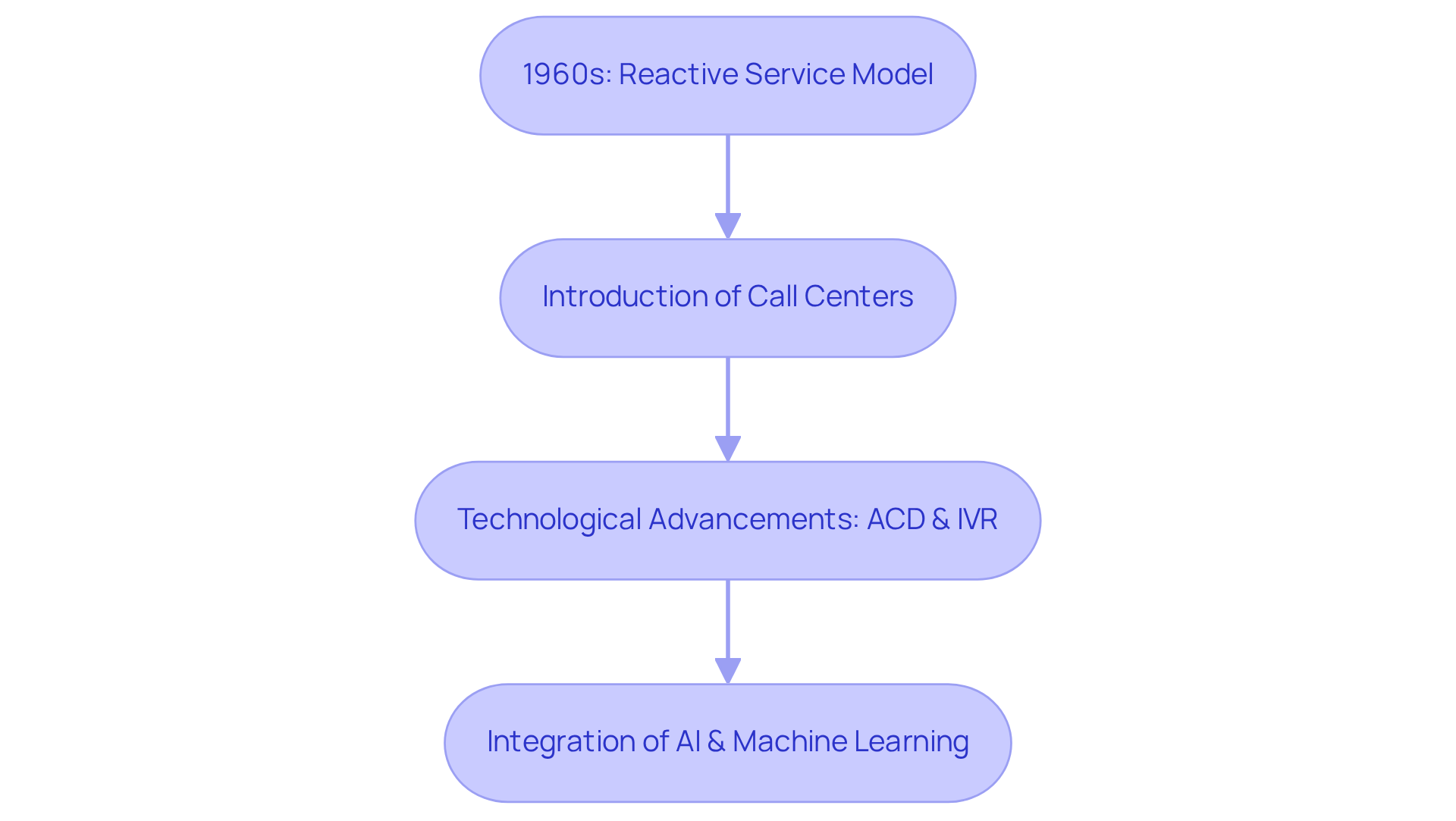
What is inbound voice process has significantly evolved since its inception in the 1960s, a time when service was primarily reactive, addressing inquiries as they arose. The advent of call centers marked a pivotal shift, creating structured environments dedicated to efficiently managing client calls. Over the decades, technological advancements, including Automatic Call Distributors (ACD) and Interactive Voice Response (IVR) systems, have streamlined call handling, enhancing user experiences by reducing wait times and improving issue resolution.
In recent years, the integration of artificial intelligence (AI) and machine learning has further transformed what is inbound voice process. These technologies empower businesses to automate responses, analyze client interactions in real-time, and personalize service delivery, aligning with the increasing demand for hyper-personalized experiences. For instance, businesses that enhance client experience can witness a remarkable 42% increase in retention, underscoring the importance of understanding and responding to client needs.
As the call center industry continues to evolve, it mirrors a broader trend towards customer-centricity in sales. With 70% of firms now leveraging , the method of incoming communication is shifting from merely addressing inquiries to actively engaging with clients. This transformation is turning support into a strategic growth engine. Not only does this evolution improve operational efficiency, but it also fosters long-term relationships, positioning businesses to excel in an increasingly competitive landscape.
Identify Key Characteristics of Inbound Voice Process: Components and Functionality
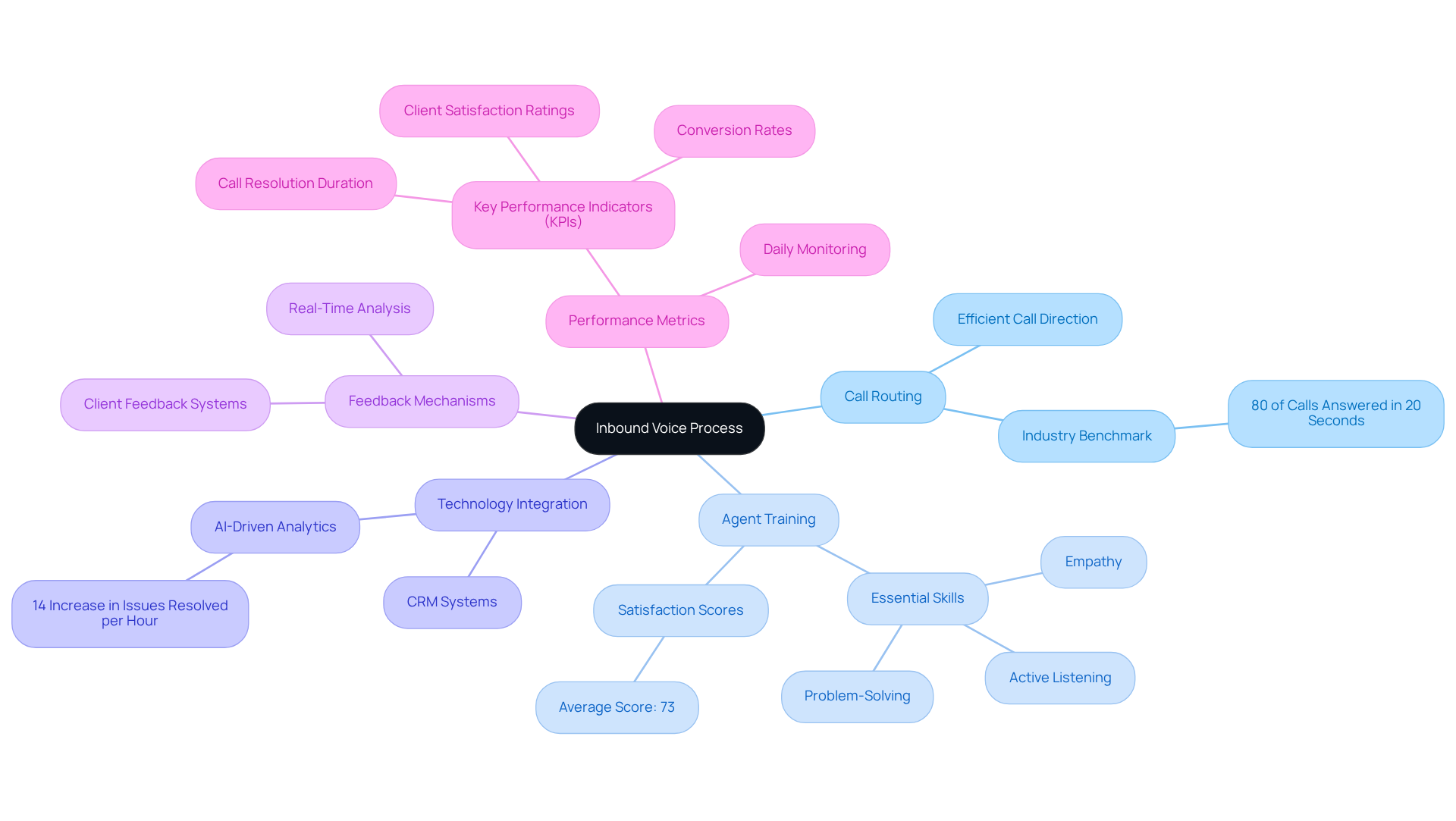
What is inbound voice process stands out for its , responsiveness, and strategic use of technology to enhance interactions. Key components include:
- Call Routing: Efficiently directing incoming calls to the appropriate department or agent based on client needs is crucial. This ensures that clients reach the right person swiftly, aligning with the industry benchmark of answering 80% of calls within 20 seconds.
- Agent Training: Comprehensive training programs are vital for equipping agents with essential skills such as active listening, empathy, and problem-solving. Organizations investing in agent training see a notable increase in satisfaction scores, averaging around 73% in the U.S. A well-prepared agent can address issues efficiently, leading to a first call resolution (FCR) rate that ideally surpasses 80%.
- Technology Integration: Utilizing tools like CRM systems and [AI-driven analytics](https://intone.io/enterprises) enables monitoring client interactions and collecting insights. This integration personalizes service and enhances operational efficiency, with AI implementations leading to a 14% increase in issues resolved per hour. Intone's intelligent analytics empower sales managers to establish data sources, call transfer guidelines, and post-call reporting, significantly improving the overall client experience.
- Feedback Mechanisms: Establishing systems to gather client feedback post-interaction is essential for continuous improvement. Consistently evaluating this feedback helps recognize areas for enhancement, ensuring that service delivery adapts to client expectations. Analyzing this feedback in real-time allows for strategic adjustments that enhance engagement.
- Performance Metrics: Tracking essential performance indicators (KPIs) like call resolution duration, client satisfaction ratings, and conversion rates is vital for evaluating the efficiency of the incoming communication system. Successful centers often monitor these metrics daily, enabling timely adjustments that enhance overall performance. Intone provides real-time insights and dashboards to track these metrics, facilitating continuous improvement and informed decision-making.
Understanding what is inbound voice process is crucial as these elements work together to establish a streamlined incoming communication system that enhances client satisfaction and propels sales, making it a fundamental aspect of effective service strategies.
Examine Real-World Applications: Inbound Voice Process Across Industries
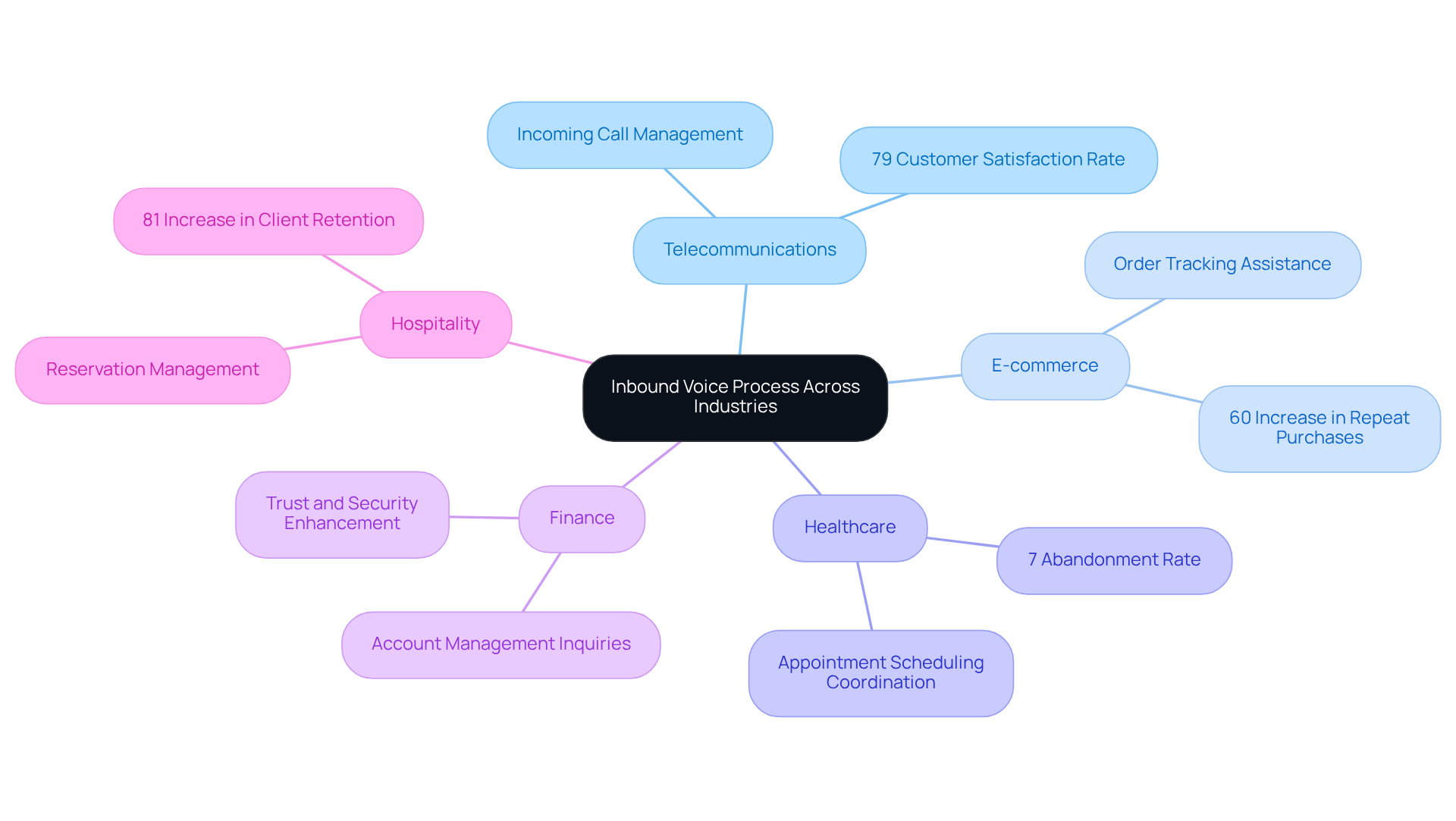
The incoming communication system plays a crucial role across various sectors, each tailoring it to meet specific client needs effectively. Consider the following examples:
- Telecommunications: Companies like Verizon leverage incoming call methods to manage inquiries about service plans, technical support, and billing issues. This approach ensures prompt solutions, significantly enhancing client loyalty, as evidenced by a remarkable 79% satisfaction rate in the industry.
- E-commerce: Retail giants such as Amazon utilize incoming communication strategies to assist customers with order tracking, returns, and product inquiries. This capability not only streamlines the shopping experience but also results in a 60% increase in repeat purchases when customers feel their concerns are addressed swiftly.
- Healthcare: Hospitals and clinics employ incoming communication methods to coordinate appointment scheduling, respond to patient inquiries, and provide follow-up care. This is vital for maintaining patient satisfaction and compliance, with healthcare call centers reporting a low abandonment rate of just 7% due to effective management of patient interactions.
- Finance: Banks and financial institutions implement incoming communication processes to handle inquiries related to account management, loan applications, and fraud alerts. This fosters trust and security-essential elements in a sector where client confidence is critical. With Intone's , these organizations can seamlessly implement and customize their audio solutions, harnessing intelligent analytics and real-time insights to enhance client engagement and streamline operations.
- Hospitality: Hotels utilize incoming communication methods to manage reservations, gather guest feedback, and address service requests, significantly enhancing the overall visitor experience. In fact, well-tailored client service in this sector can lead to an impressive 81% increase in client retention.
These examples underscore the inbound voice process's vital role in facilitating effective communication and driving customer satisfaction across diverse sectors.
Conclusion
The inbound voice process stands as a cornerstone of effective sales management, acting as the frontline for customer interactions that significantly shape their experiences with a brand. By prioritizing timely and efficient communication, businesses not only address customer inquiries but also cultivate lasting relationships that drive increased sales. The integration of AI technology, such as Intone's speaking agents, further enhances this process, leading to higher conversion rates and reduced agent burnout. This ultimately fosters a more sustainable and effective sales environment.
Key insights throughout this article have illuminated the evolution and significance of the inbound voice process. From its historical roots in reactive service to today’s focus on customer-centricity and automation, this process has transformed into a strategic tool for sales growth. Essential components - call routing, agent training, technology integration, and feedback mechanisms - are vital elements that contribute to a seamless customer experience. Real-world applications across various industries underscore the importance of this process in driving customer satisfaction and loyalty.
In conclusion, embracing the inbound voice process transcends mere call management; it involves leveraging technology and strategic practices to nurture meaningful customer connections. Sales managers must recognize the potential of this approach and invest in the necessary tools and training to optimize their inbound communications. By doing so, businesses position themselves for success in an increasingly competitive market, ensuring that every customer interaction becomes an opportunity for growth and satisfaction.
Frequently Asked Questions
What is the inbound voice process?
The inbound voice process refers to the procedure for managing incoming calls from clients who are seeking assistance, information, or services. It focuses on addressing customer needs promptly and effectively, thereby enhancing the customer experience.
Why is the inbound voice process important?
The inbound voice process is crucial for client service and sales as it directly impacts client satisfaction and retention. It helps transform inquiries into sales opportunities, making it vital for improving conversion rates.
How can Intone's AI speaking agents enhance the inbound voice process?
Intone's AI speaking agents provide natural, human-like interactions and can achieve a 1.5x increase in conversion rates compared to traditional human agents, significantly enhancing the inbound communication process.
What benefits do businesses gain from using Intone's AI solutions?
Businesses gain tailored support from engineers to optimize their AI communication agents, which enhances sales efficiency, reduces agent burnout, and creates a more sustainable work environment.
How does the inbound voice process impact sales managers?
The inbound voice process is vital for sales managers as it helps boost their teams' performance and conversion rates by effectively managing customer inquiries and turning them into sales opportunities.