

Introduction
HIPAA-compliant speech-to-text technology is transforming healthcare documentation, ensuring that sensitive patient information remains secure and confidential. As medical organizations seek to boost efficiency while complying with strict regulations, the adoption of these advanced systems is on the rise. Yet, despite this growing interest, many misconceptions persist regarding what true compliance involves.
How can organizations effectively navigate the complexities of HIPAA regulations while utilizing speech-to-text solutions to enhance patient care and operational effectiveness?
Define HIPAA-Compliant Speech-to-Text Technology
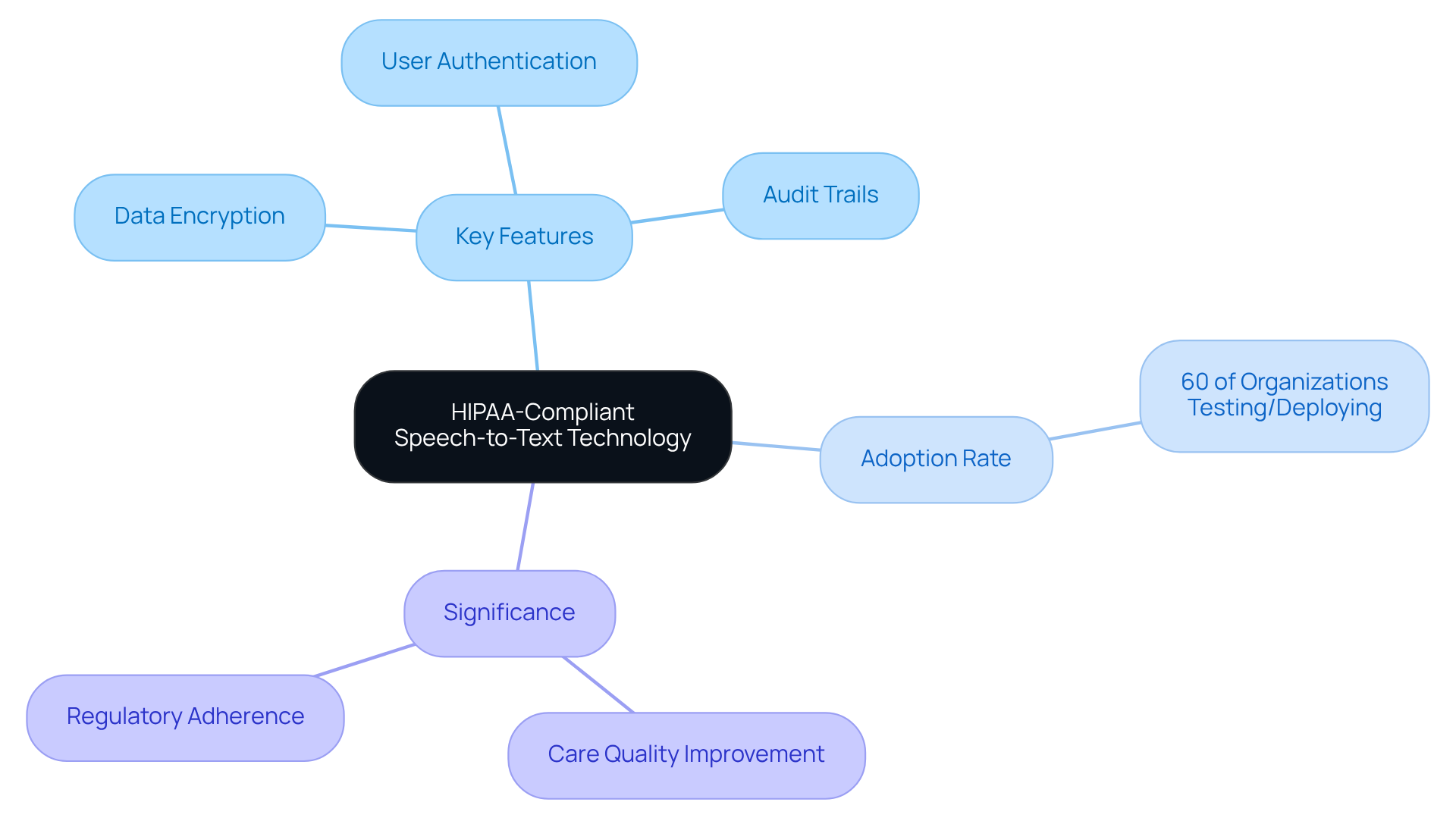
represents a critical advancement in healthcare documentation. These systems are meticulously designed to convert spoken language into written text while strictly adhering to the regulations established by the Health Insurance Portability and Accountability Act (HIPAA). This adherence is not just a formality; it is essential for ensuring that any (PHI) processed through these systems is managed securely, safeguarding confidentiality and integrity.
Key features of this technology include:
- Robust data encryption
- Comprehensive audit trails that meticulously track access to sensitive information
As medical organizations increasingly emphasize compliance, approximately 60% are currently testing or deploying solutions for HIPAA compliant speech to text. This shift aims to and lessen administrative burdens, ultimately enhancing patient care.
The significance of upholding in speech-to-text systems cannot be overstated. It directly impacts care quality and regulatory adherence. Effective solutions like , such as , not only streamline documentation processes but also ensure that sensitive data is handled with the utmost security. These systems are particularly vital in medical environments, where precise and prompt documentation is essential for both care delivery and adherence to regulatory standards.
Explain the Importance of HIPAA Compliance in Healthcare
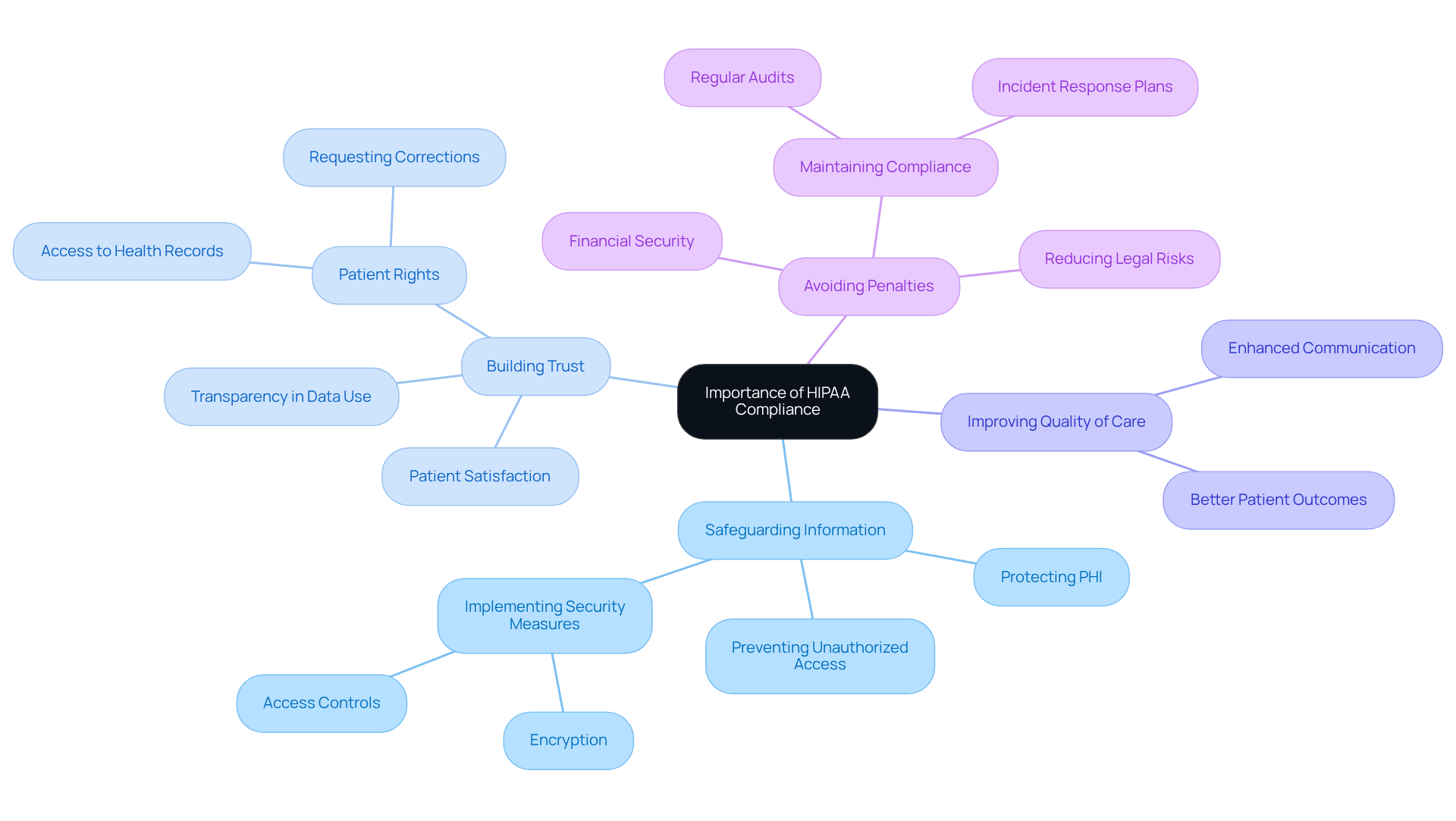
is not just important; it is essential in the medical field. It sets national benchmarks for . Compliance with ensures that healthcare providers, insurers, and their business associates implement necessary safeguards to protect PHI from unauthorized access and breaches.
The significance of goes beyond mere legal requirements. It cultivates trust between patients and providers, improves the , and . In fact, studies show that organizations with robust compliance programs experience fewer breaches and greater patient satisfaction.
Moreover, in the finance sector, where may be involved, is equally critical. It ensures that remain secure and confidential, protecting both the organization and its clients.
In summary, the commitment to is vital for fostering trust, enhancing the , and avoiding costly penalties. Organizations must prioritize to safeguard sensitive information effectively.
Identify Key Features of HIPAA-Compliant Speech-to-Text Solutions
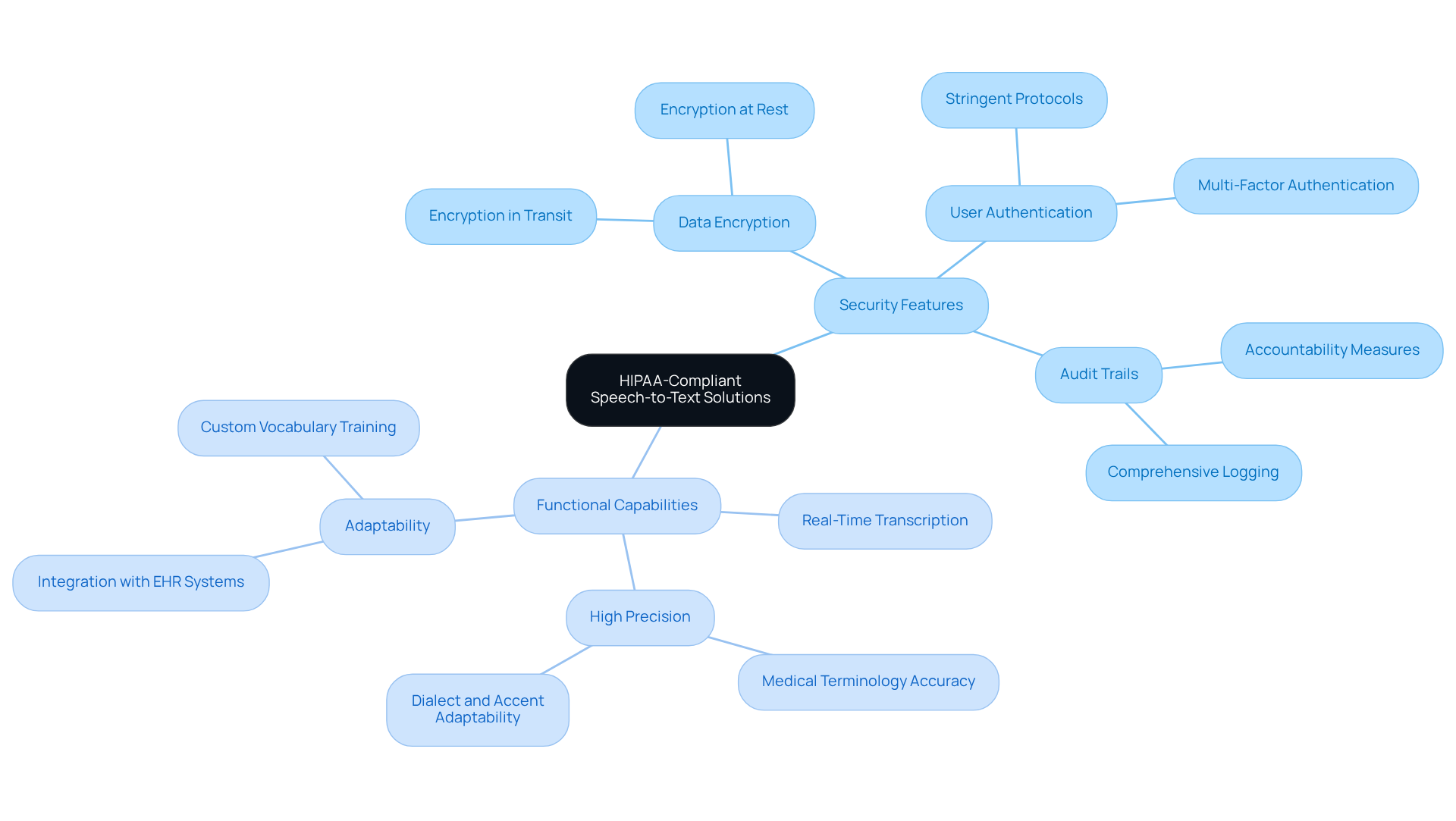
Key features of solutions are essential for any healthcare entity aiming to improve operational efficiency and protect protected health information (PHI). These solutions encompass:
- Robust both in transit and at rest
- Stringent
Such elements are essential for ensuring that only authorized personnel can access sensitive data while maintaining accountability through detailed logging of all interactions.
Moreover, these technologies facilitate secure integration with electronic health record (EHR) systems by providing , streamlining documentation processes. Key capabilities include:
- High precision in medical terminology
- Adaptability to various dialects and accents
These features are vital, fostering effective communication in diverse medical settings.
Significantly, Intone's play a pivotal role in improving medical communication. By effectively managing appointment inquiries and offering fundamental support to individuals, these agents boost engagement and satisfaction among patients. Research indicates that adopting such solutions can lead to a remarkable 60% decrease in documentation mistakes, underscoring their importance in enhancing care quality and operational processes.
As healthcare entities progressively implement these technologies, the focus on [HIPAA compliant speech to text](https://sprypt.com/blog/hipaa-compliant-speech-to-text-for-speech-therapists), alongside and user verification, remains crucial. This commitment not only guarantees adherence to regulations but also , ensuring that healthcare providers can operate with confidence in their data security measures.
Debunk Common Myths About HIPAA Compliance in Speech-to-Text Tools
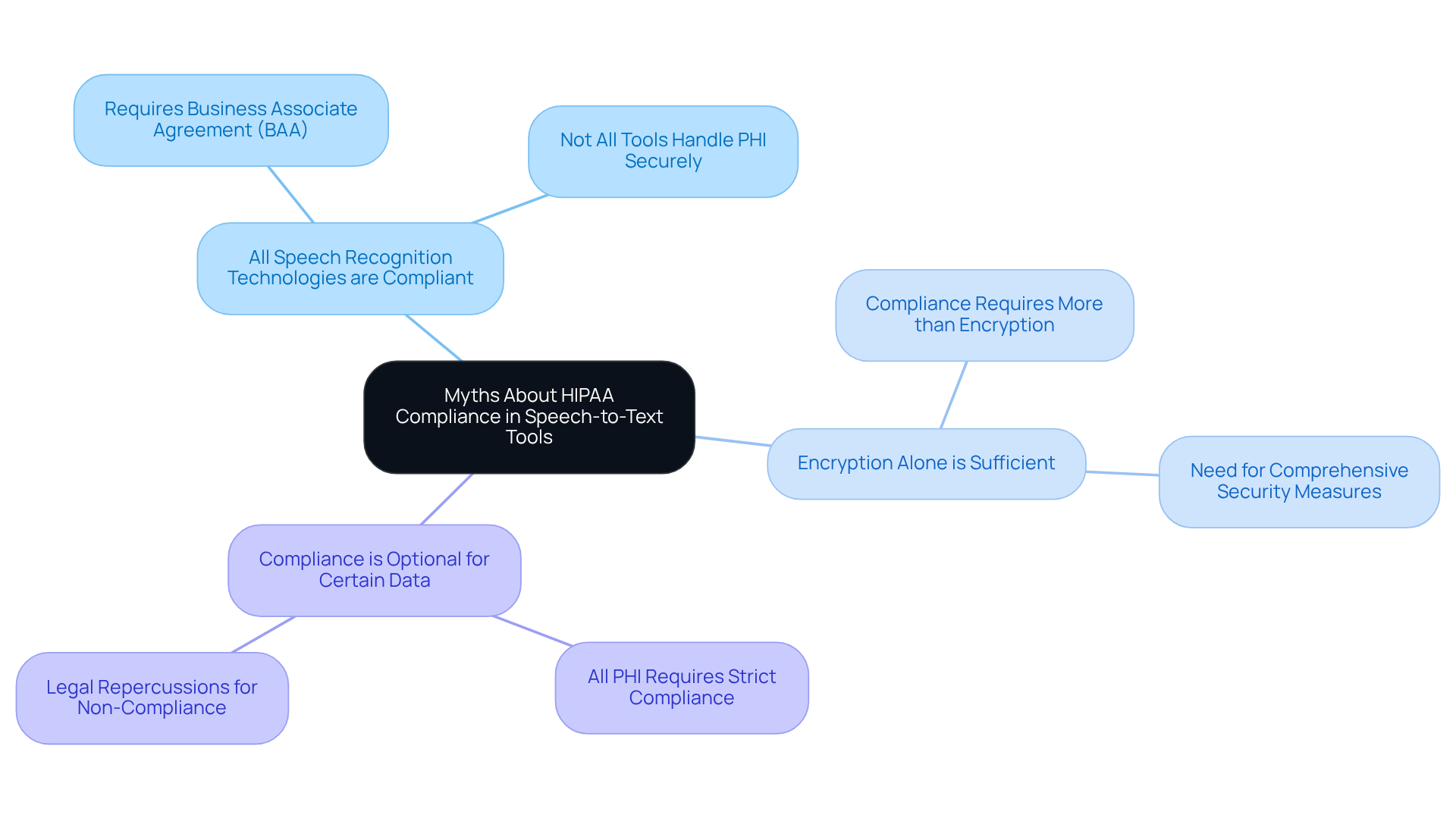
Misunderstandings regarding regulations in speech-to-text tools are alarmingly common. Many organizations mistakenly believe that all are solutions that inherently conform to . A widespread misconception is that simply employing encryption suffices for compliance. However, true adherence to regulations requires more than just encryption. Compliance is contingent upon the specific implementation of the technology and the establishment of a between the organization and the service provider.
Furthermore, some organizations erroneously think that is optional for certain types of data. In reality, any handling of requires strict adherence to HIPAA compliant . Recognizing and addressing these myths is crucial for organizations aiming to and avoid potential legal repercussions. By understanding the complexities of these regulations, organizations can take proactive steps to ensure they meet all necessary requirements.
Conclusion
The integration of HIPAA-compliant speech-to-text technology marks a pivotal advancement in healthcare documentation. These systems ensure that spoken language is accurately transformed into written text, all while adhering to stringent regulations. This commitment to compliance is essential for safeguarding protected health information (PHI), enhancing operational efficiency, and reinforcing the trust patients place in their healthcare providers.
Insights from recent discussions indicate a growing trend in the adoption of HIPAA-compliant solutions. Organizations are increasingly recognizing the critical importance of robust data encryption, secure user authentication, and comprehensive audit trails. These features are indispensable for maintaining the confidentiality and integrity of sensitive information, ultimately leading to improved patient care and reduced administrative burdens. Moreover, addressing common misconceptions about HIPAA compliance underscores the necessity of understanding regulatory requirements for the effective implementation of speech-to-text technologies.
In today’s rapidly evolving healthcare landscape, the importance of adhering to HIPAA regulations cannot be overstated. Organizations must prioritize compliance not only to protect sensitive data but also to cultivate a culture of trust and accountability. Embracing HIPAA-compliant speech-to-text technology transcends mere regulatory obligation; it signifies a commitment to delivering high-quality care while ensuring patient privacy remains paramount. As the landscape continues to evolve, staying informed and proactive in compliance efforts will be essential for all stakeholders in the healthcare sector.
Frequently Asked Questions
What is HIPAA-compliant speech-to-text technology?
HIPAA-compliant speech-to-text technology is designed to convert spoken language into written text while adhering to the regulations of the Health Insurance Portability and Accountability Act (HIPAA), ensuring the secure management of protected health information (PHI).
Why is HIPAA compliance important for speech-to-text systems?
HIPAA compliance is crucial because it ensures the confidentiality and integrity of sensitive health information processed through these systems, which directly impacts care quality and regulatory adherence.
What are the key features of HIPAA-compliant speech-to-text technology?
Key features include robust data encryption, secure user authentication, and comprehensive audit trails that track access to sensitive information.
How prevalent is the use of HIPAA-compliant speech-to-text technology in medical organizations?
Approximately 60% of medical organizations are currently testing or deploying solutions for HIPAA-compliant speech-to-text technology to improve documentation efficiency and reduce administrative burdens.
What benefits do HIPAA-compliant speech-to-text systems provide to healthcare?
These systems enhance documentation efficiency, lessen administrative burdens, and improve patient care by ensuring sensitive data is handled securely while facilitating precise and prompt documentation.