
Introduction
An automated cold calling system is revolutionizing sales engagement, leveraging advanced technologies such as AI and machine learning to enhance communication with potential clients. This innovation not only automates the dialing process but also personalizes interactions, enabling businesses to boost lead generation significantly. As a result, sales teams are liberated to concentrate on cultivating meaningful relationships with clients.
However, as organizations eagerly adopt these cutting-edge systems, a crucial question emerges: how can they fully harness the power of automation while ensuring compliance and refining their overall sales strategy? This inquiry is essential for companies aiming to thrive in a competitive landscape.
Understand Automated Cold Calling Systems and Their Impact on Sales Efficiency
An automated cold calling system is revolutionizing engagement with prospective clients through advanced technologies like AI and machine learning. The automated cold calling system can automatically dial numbers, deliver customized messages, and engage in real-time conversations, significantly enhancing transaction efficiency.
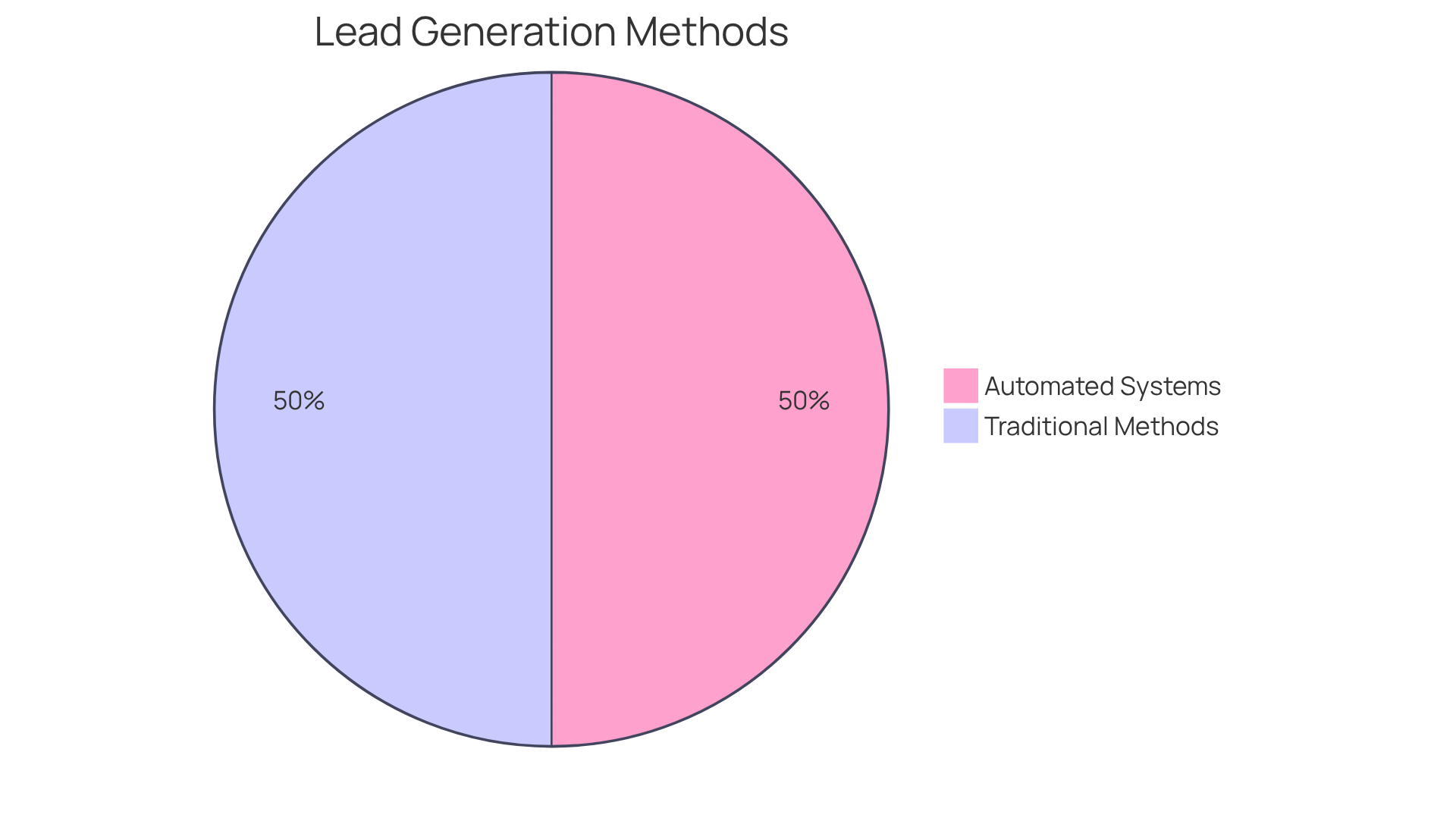
Businesses that leverage an automated cold calling system report generating up to 50% more leads than those using traditional methods. This remarkable rise in efficiency not only boosts productivity but also enables teams to focus on high-value interactions, ultimately . For instance, firms that have integrated an automated cold calling system into their outreach strategies have witnessed substantial improvements in lead generation and overall revenue performance.
As industry leaders emphasize, the combination of automation and human interaction is vital for enhancing outreach efficiency. This approach allows representatives to concentrate on building relationships rather than being bogged down by routine tasks. By embracing these innovative solutions, businesses can position themselves for success in a competitive landscape.
Identify Key Components of Effective Automated Cold Calling Systems
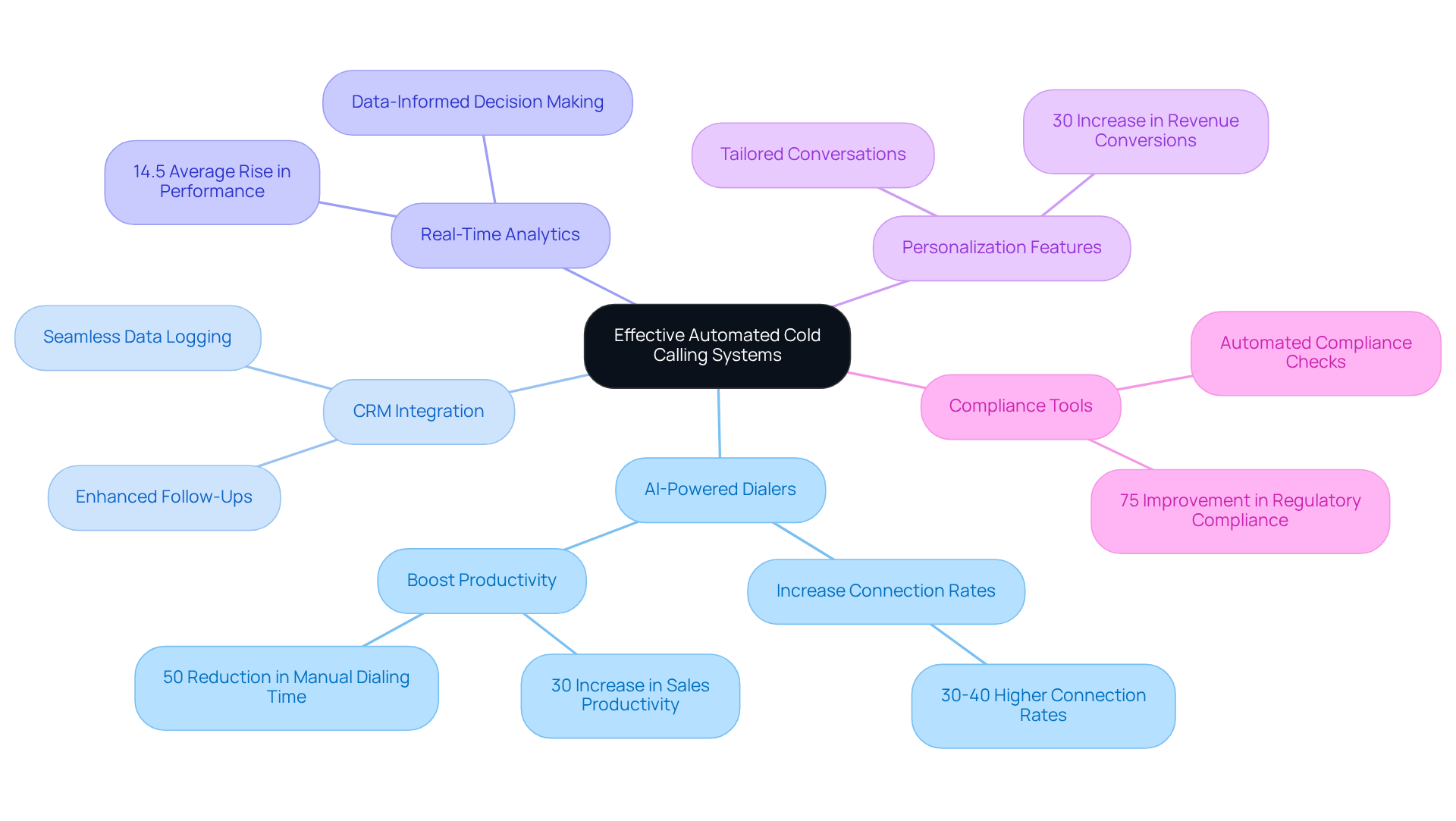
To maximize the effectiveness of automated cold calling systems, organizations must integrate several key components:
- AI-Powered Dialers: These sophisticated tools automate the dialing process, enabling teams to connect with significantly more leads in a shorter time frame. Companies that utilize AI dialers have reported a remarkable 30-40% increase in connection rates, showcasing their effectiveness in enhancing outreach efforts.
- CRM Integration: Seamless integration with Customer Relationship Management (CRM) systems ensures that all interactions are logged and easily accessible. This capability enables better follow-ups and allows teams to maintain a comprehensive view of customer interactions, ultimately boosting conversion rates.
- [Real-Time Analytics](https://intone.io/features/customer-support): Access to performance metrics empowers teams to adjust strategies on the fly, optimizing outreach efforts. Organizations leveraging real-time analytics have experienced an average rise of 14.5% in performance, underscoring the importance of data-informed decision-making.
- Personalization Features: The ability to enhances engagement and increases the likelihood of conversion. Tailored outreach has proven to enhance revenue conversions by as much as 30%, making it an essential element of efficient cold contacting.
- [Compliance Tools](https://superagi.com/revolutionizing-sales-calls-how-ai-dialers-boost-connection-rates-and-conversions-in-2025): Built-in features that ensure adherence to telemarketing regulations protect businesses from legal issues. AI dialers can automate compliance checks, resulting in a 75% improvement in regulatory compliance for businesses that implement them.
By concentrating on these elements, organizations can develop a robust automated cold calling system that drives results, enhances customer interaction, and ultimately increases sales effectiveness.
Ensure Compliance with Regulations in Automated Cold Calling Practices
Adherence to regulations is crucial when using an automated cold calling system. The Telephone Consumer Protection Act (TCPA) stands out as a key regulation, mandating that businesses obtain prior express consent from consumers before making pre-recorded calls. Furthermore, compliance with the National Do Not Call Registry is essential, as it prevents contacting individuals who have opted out of receiving such communications.
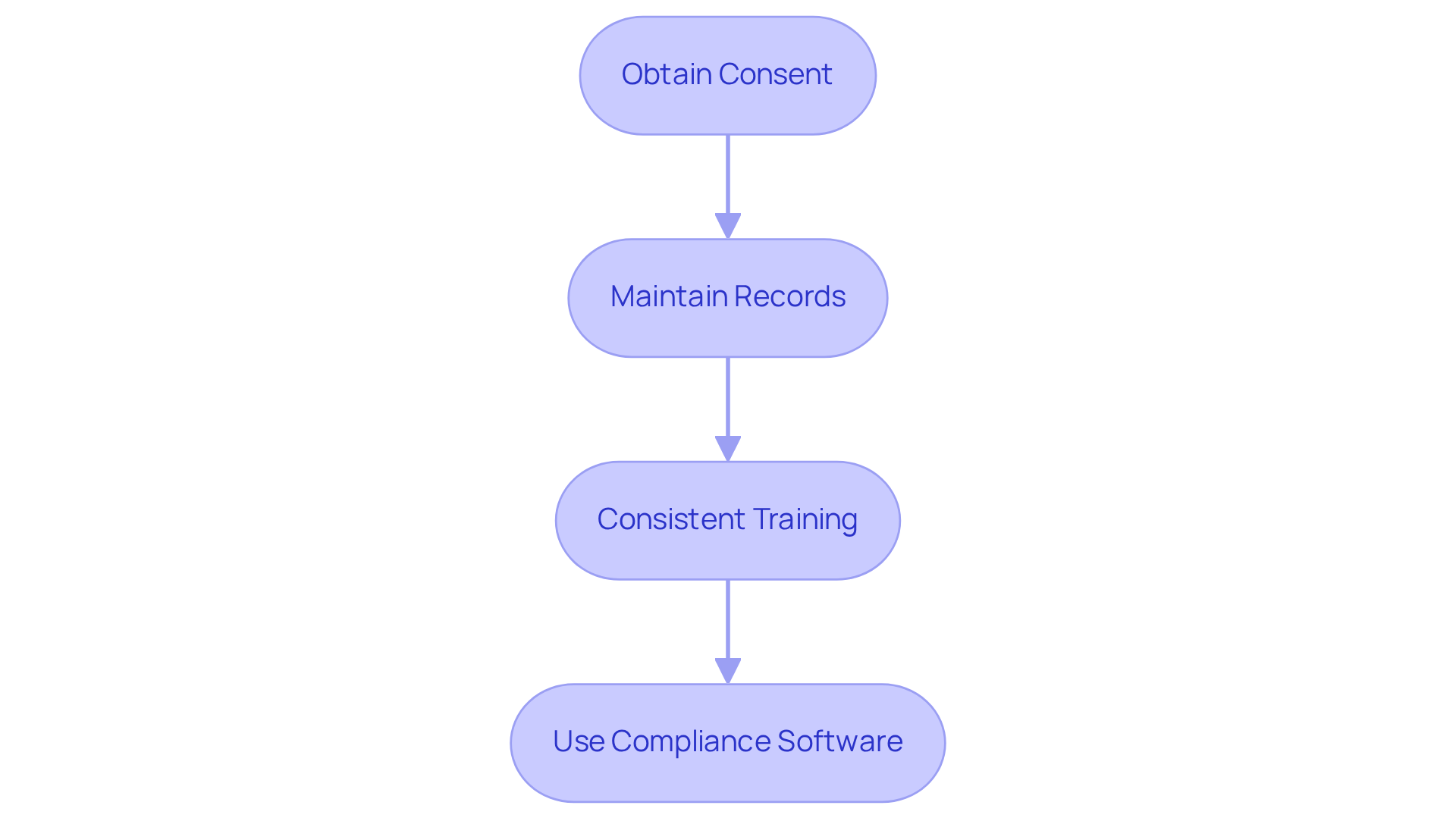
To ensure compliance, organizations should implement the following practices:
- Obtain Consent: Always secure explicit consent from leads before initiating calls. This step is non-negotiable and lays the foundation for a compliant calling strategy with an automated cold calling system.
- Maintain Records: Keeping detailed records of consent and communication history is vital. This documentation serves as proof of compliance and can protect your business in case of disputes.
- Consistent Training: Regular training sessions for sales teams on compliance requirements and best practices are essential. Knowledgeable staff are your first line of defense against potential violations.
- Use : Leverage technology that automatically checks numbers against the Do Not Call list. This proactive approach minimizes the risk of accidental violations.
By prioritizing compliance, businesses can enhance their positive customer relationships through an automated cold calling system while also mitigating risks. Remember, a commitment to following regulations not only protects your organization but also enhances your reputation in the marketplace.
Leverage Real-Time Analytics to Optimize Automated Cold Calling Performance
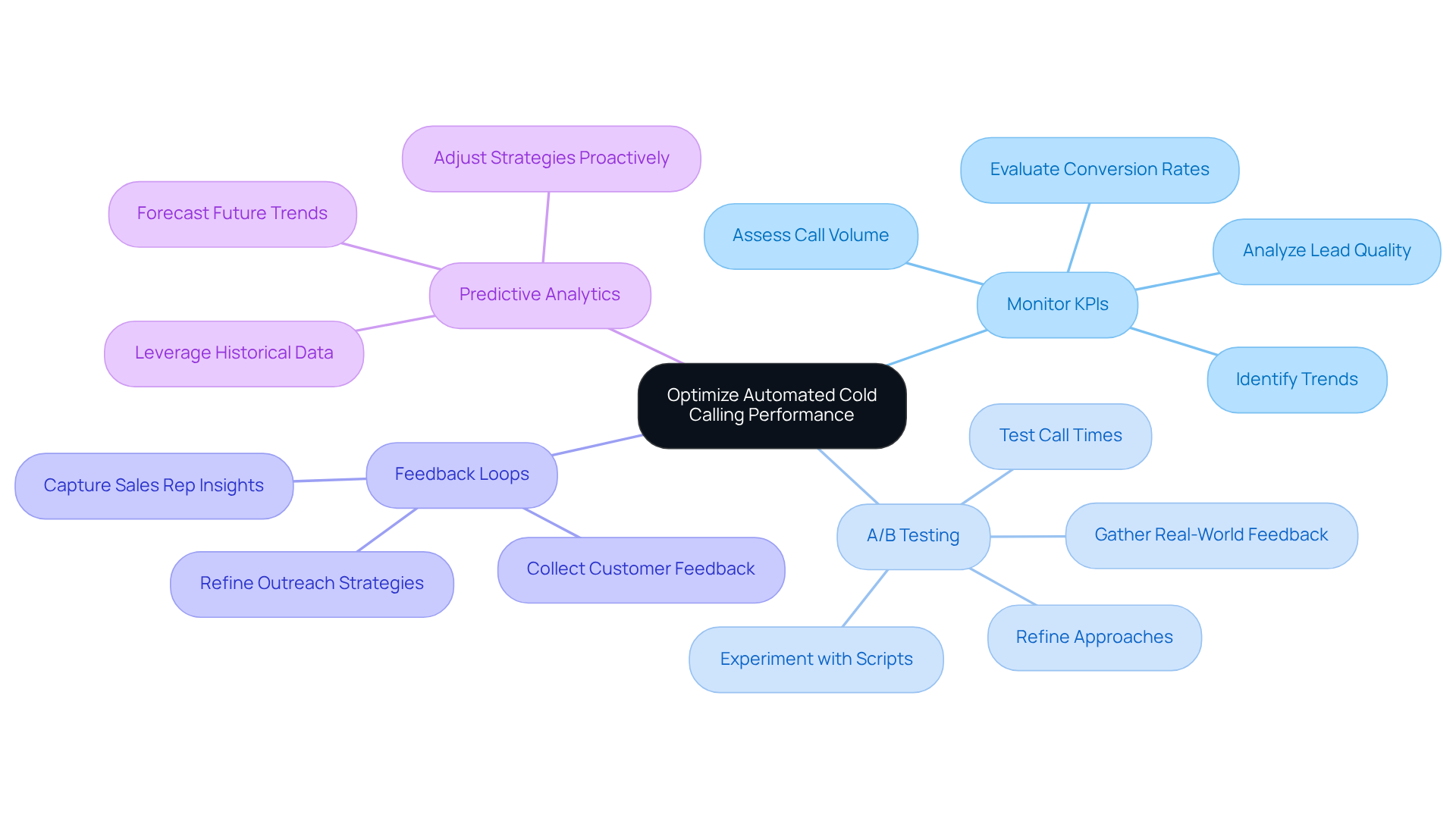
Optimizing automated cold calling performance relies heavily on real-time analytics. By closely monitoring key metrics such as call connect rates, duration, and customer responses, teams can extract actionable insights that enhance their outreach effectiveness. Here are best practices for leveraging analytics effectively:
- Monitor Key Performance Indicators (KPIs): Regularly assess metrics like call volume, conversion rates, and lead quality. This ongoing evaluation helps and pinpoint areas for improvement, allowing teams to remain agile and responsive to changing dynamics.
- A/B Testing: Conduct experiments with various scripts, call times, and approaches to discover what resonates most with prospects. This iterative process enables the refinement of strategies based on real-world feedback, ensuring that outreach efforts are continually optimized.
- Feedback Loops: Establish systems for capturing insights from both sales representatives and customers. This invaluable feedback is essential for continuously refining outreach strategies and enhancing overall effectiveness.
- Predictive Analytics: Leverage historical data to forecast future trends and adjust outreach strategies accordingly. By anticipating market shifts and customer behaviors, teams can proactively enhance their outreach efforts.
Harnessing the potential of real-time analytics empowers organizations to enhance their automated cold calling system, leading to improved engagement and higher conversion rates.
Integrate Automated Cold Calling Systems with Existing Sales Processes
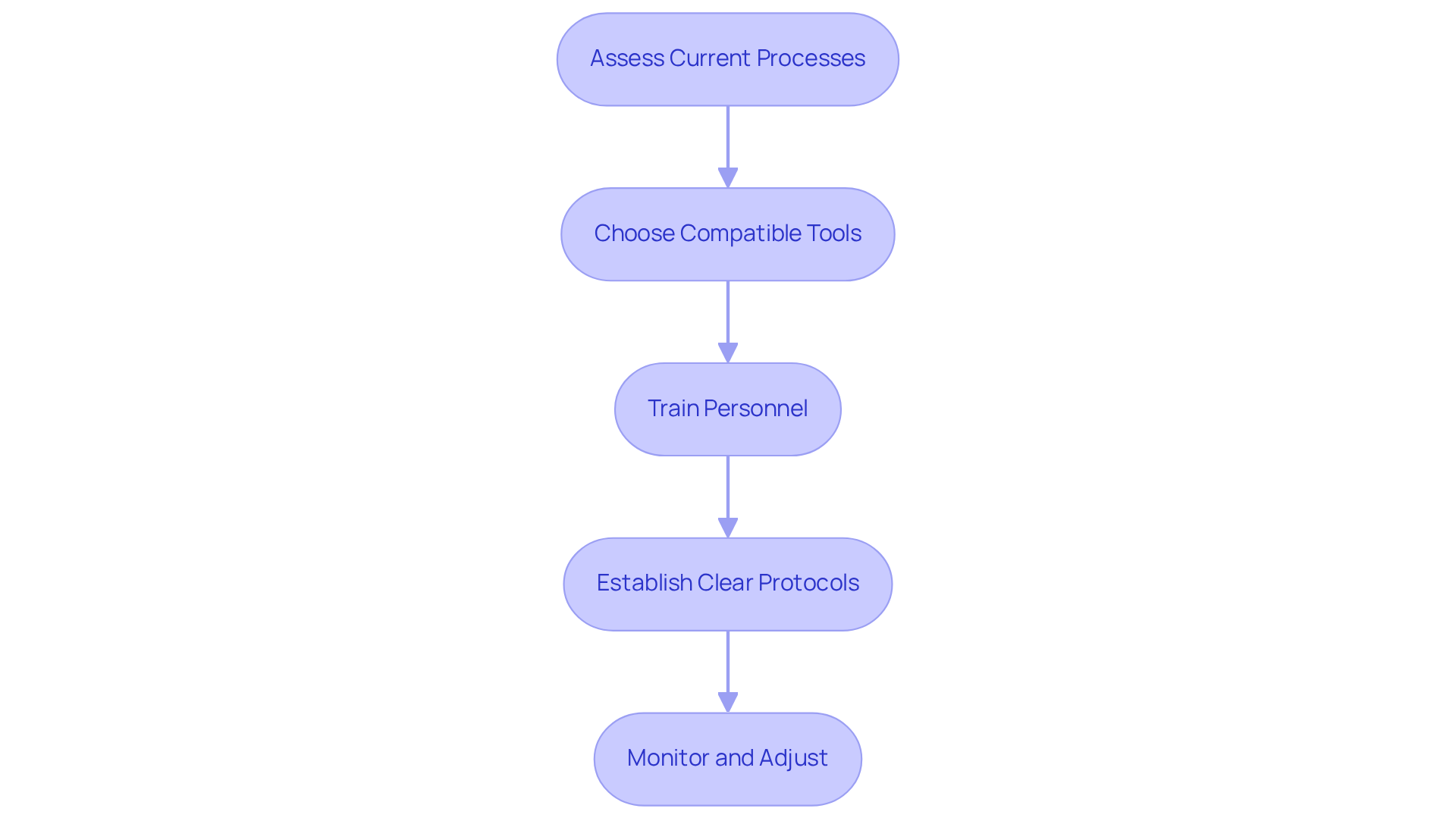
Incorporating mechanized outreach frameworks with current revenue processes is essential for boosting productivity and impact. Here’s how to ensure a seamless integration:
- Assess Current Processes: Start by evaluating existing transaction workflows to pinpoint where automation can add value. Companies that streamline operations through enablement programs report significant efficiency improvements, with 75% noting direct contributions to revenue growth.
- Choose Compatible Tools: An automated cold calling system can significantly improve outreach efforts. Select an automated cold calling system that integrates effortlessly with your current CRM and marketing tools. This ensures a . Effective CRM integration can reduce administrative tasks by up to 80%, allowing representatives to focus more on selling.
- Train Personnel: Comprehensive training for teams on effectively using the new systems is crucial. Emphasizing the benefits of automation can lead to a 50% increase in net revenue per employee, highlighting the importance of skill enhancement in leveraging new technologies.
- Establish Clear Protocols: Develop guidelines for how robotic calls will fit into the overall marketing strategy, including when to escalate to human representatives. This approach ensures that automation complements human efforts rather than replacing them, preserving the vital human connection in commerce.
- Monitor and Adjust: Continuously monitor the integration process and make necessary adjustments to optimize performance. Companies that embrace AI-driven automation report a 79% improvement in overall team profitability, underscoring the importance of ongoing evaluation and adaptation.
By following these steps, organizations can effectively integrate an automated cold calling system into their sales processes, thereby enhancing overall efficiency and effectiveness. Successful examples of CRM integration with automated calling tools show that businesses can achieve a 9.5% year-over-year revenue increase and significantly boost customer retention rates.
Conclusion
Embracing an automated cold calling system marks a pivotal shift in how businesses engage with potential clients, fundamentally enhancing sales efficiency. By harnessing advanced technologies like AI and machine learning, organizations can streamline their outreach processes. This shift allows teams to concentrate on meaningful interactions instead of mundane tasks. The result? Increased lead generation and improved conversion rates, positioning companies for greater success in competitive markets.
Key insights from this exploration reveal the essential components necessary for maximizing the effectiveness of automated cold calling systems:
- AI-powered dialers
- CRM integration
- Real-time analytics
- Compliance tools
Each element plays a vital role in driving performance and ensuring adherence to regulations. Organizations that prioritize these components can expect significant improvements in productivity and revenue, ultimately achieving a more robust sales strategy.
In conclusion, integrating automated cold calling systems is not just a trend; it’s a strategic necessity for businesses aiming to thrive. By leveraging these advanced tools and adopting best practices, companies can enhance their outreach efforts and build stronger relationships with customers. The call to action is clear: invest in automation, prioritize compliance, and harness the power of analytics to unlock new levels of sales efficiency and effectiveness.
Frequently Asked Questions
What is an automated cold calling system?
An automated cold calling system is a technology that uses advanced tools like AI and machine learning to automatically dial numbers, deliver customized messages, and engage in real-time conversations with prospective clients, significantly enhancing sales efficiency.
How does an automated cold calling system impact lead generation?
Businesses that use an automated cold calling system can generate up to 50% more leads compared to traditional methods, boosting productivity and enabling teams to focus on high-value interactions, which improves conversion rates.
What are the benefits of integrating automation with human interaction in cold calling?
Combining automation with human interaction allows representatives to focus on building relationships instead of routine tasks, enhancing outreach efficiency and positioning businesses for success in a competitive landscape.
What are the key components of an effective automated cold calling system?
The key components include AI-powered dialers, CRM integration, real-time analytics, personalization features, and compliance tools.
How do AI-powered dialers enhance the cold calling process?
AI-powered dialers automate the dialing process, enabling teams to connect with significantly more leads in a shorter time frame, resulting in a 30-40% increase in connection rates.
Why is CRM integration important for automated cold calling systems?
CRM integration ensures that all interactions are logged and easily accessible, allowing for better follow-ups and a comprehensive view of customer interactions, which boosts conversion rates.
What role do real-time analytics play in cold calling?
Real-time analytics provide access to performance metrics, allowing teams to adjust strategies on the fly and optimize outreach efforts, leading to an average rise of 14.5% in performance.
How does personalization affect cold calling outcomes?
Personalization features allow conversations to be tailored based on customer data, enhancing engagement and increasing the likelihood of conversion, with tailored outreach improving revenue conversions by as much as 30%.
What are compliance tools in automated cold calling systems?
Compliance tools are built-in features that ensure adherence to telemarketing regulations, protecting businesses from legal issues. AI dialers can automate compliance checks, resulting in a 75% improvement in regulatory compliance.