

Introduction
Understanding the dynamics of agent credit card programs presents a remarkable opportunity for businesses to tap into significant revenue potential. These strategic alliances not only cultivate client loyalty but also drive transaction volumes through innovative revenue-sharing models. Yet, as companies navigate the intricate landscape of compliance, risk management, and technological integration, a critical question arises: how can they effectively leverage these credit card strategies to maximize profitability while ensuring robust security and operational efficiency?
Understand the Structure of Agent Credit Card Programs
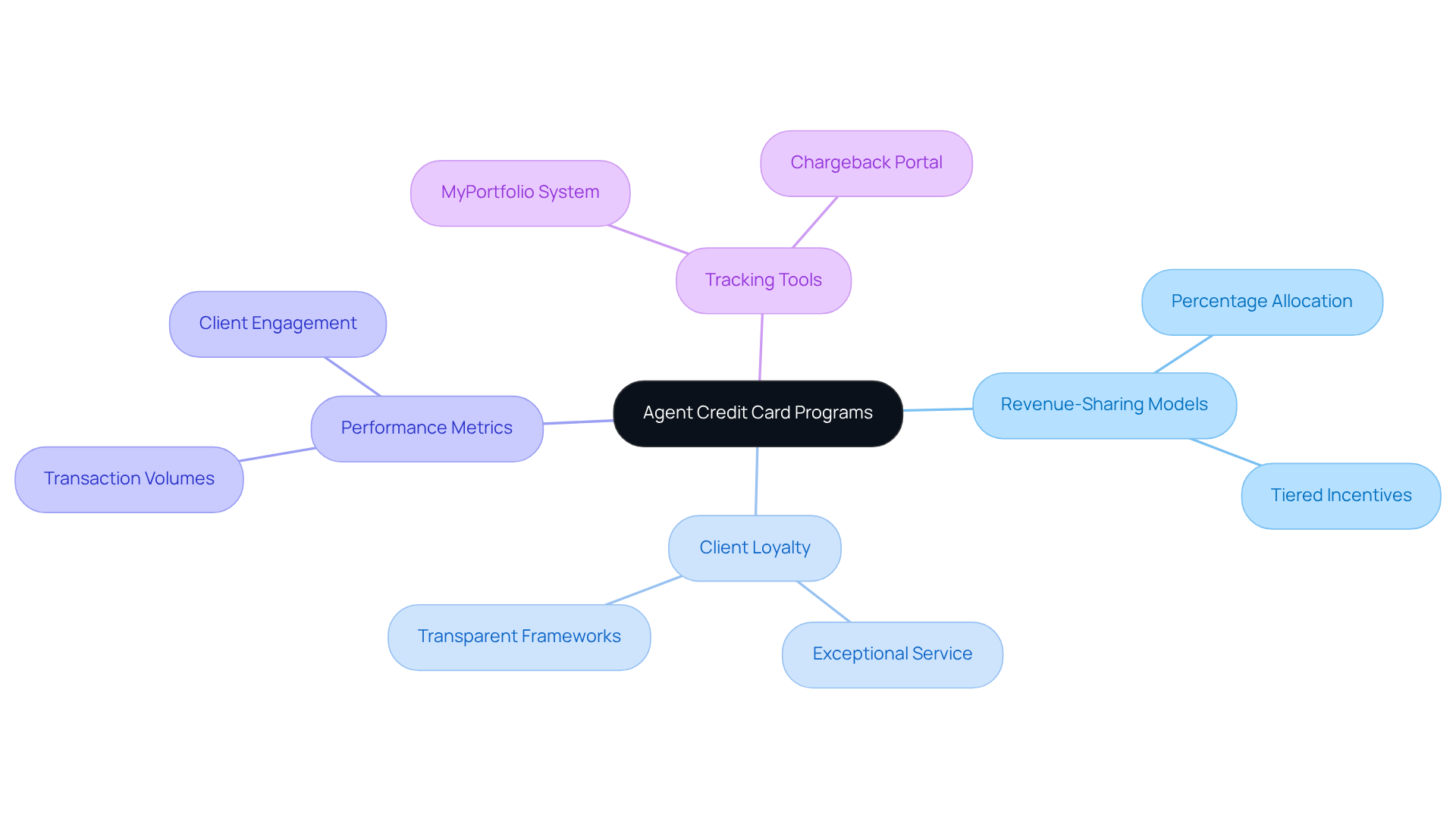
Credit card initiatives involving an represent a strategic alliance between and those responsible for card distribution and . These programs often employ , allowing representatives to earn a percentage of or interest from cardholders who use an . For example, a typical model might allocate 70% of to the representative, creating a mutually beneficial relationship that drives performance.
Understanding these structures is essential for businesses looking to . A well-designed revenue-sharing model not only fosters but also increases transaction volumes when clients use an [agent credit card](https://intone.io/post/maximize-revenue-with-global-telemarketing-services-in-finance), leading to higher revenue. Financial analysts emphasize that initiatives with transparent and equitable revenue-sharing frameworks tend to cultivate stronger client relationships, as representatives are motivated to provide exceptional service.
As we approach 2026, businesses must assess their current and consider innovative adaptations tailored to their unique needs. Some programs, for instance, may offer tiered incentives based on , encouraging representatives to engage more proactively with their clients. By leveraging these insights, companies can refine their and boost overall profitability.
Moreover, utilizing tools like the MyPortfolio system can aid representatives in tracking their performance and enhancing client interactions, further improving the effectiveness of these revenue-sharing models.
Leverage Strategic Benefits for Revenue Growth
To enhance revenue through , businesses must prioritize several strategic advantages. First and foremost, offering attractive is crucial. These elements significantly boost and increase transaction frequency. For instance, have shown to encourage account holders to utilize their accounts more frequently, with active users claiming rewards an average of 6.1 times annually, compared to just 4.3 times for inactive users. Notably, 56% of account holders who don’t fully leverage their benefits cite inconvenience as the primary reason, underscoring the necessity of making rewards readily accessible.
Moreover, exploring co-branding opportunities with well-known retailers can attract new clientele and enhance brand visibility. Agent credit cards, as part of , account for 62% of consumer credit offerings in the U.S., illustrating their popularity. Additionally, 73% of co-branded card applicants prioritize when selecting a card, indicating a strong desire for value in their choices.
Another effective strategy involves leveraging to identify spending patterns. This allows businesses to tailor their marketing efforts accordingly. By understanding client behavior, companies can create targeted campaigns that resonate with their audience, driving higher conversion rates and fostering long-term loyalty. Furthermore, 75% of cardholders believe that convenience enhances the appeal of card-linked offers, emphasizing the importance of personalization in rewards systems.
To further amplify these strategies, integrating Intone's can streamline interactions, making it easier for cardholders to access rewards and receive . This approach ultimately drives engagement and revenue growth.

Ensure Compliance and Manage Risks Effectively
Adherence to regulations like the is not just important; it's essential for businesses running credit programs. Companies must implement to safeguard client information and . Regular audits and employee training on compliance protocols are crucial to ensure adherence to these standards.
Moreover, businesses should establish a comprehensive that includes vigilant monitoring for potential fraud and chargebacks. By proactively tackling these risks, companies can protect their reputation and uphold - both vital for in the credit industry. The stakes are high: US consumers reported in 2019, and alarmingly, only 29% of companies maintained PCI DSS compliance a year after validation.
Non-compliance can lead to severe consequences, including fines ranging from $5,000 to $100,000 per month, underscoring the urgency of adhering to PCI DSS standards. As cybersecurity expert Stéphane Nappo emphasizes, that extends beyond IT, highlighting the need for a culture of security within organizations.
In conclusion, the time to act is now. Establishing a strong not only mitigates risks but also fortifies your business's reputation and .

Integrate Technology for Enhanced Operational Efficiency
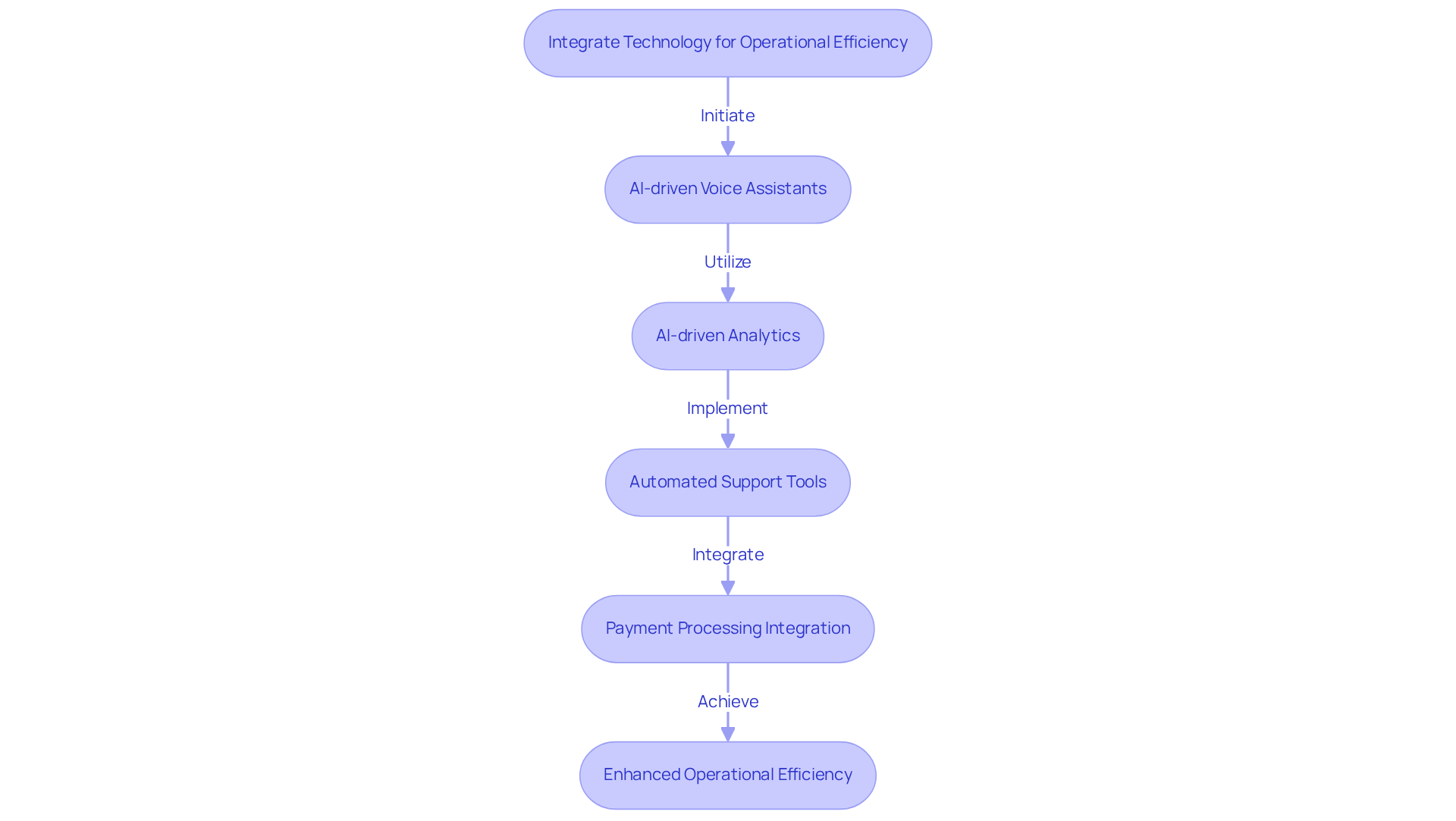
To enhance operational efficiency in credit card programs, businesses must invest in like Intone's . These tools not only streamline processes but also provide significant advantages. For instance, utilizing helps recognize trends and refine marketing strategies, while Intone's boost response times and elevate .
Imagine having 24/7 AI representatives at your disposal. They can retrieve carts, verify purchases, and qualify leads without the need for manual calls. This ensures consistent and accelerates the closing process. Furthermore, the allows for tailored scripts and training materials, enhancing the effectiveness of your team.
Integrating with existing CRM platforms can also streamline operations, creating a seamless experience for both customers and agents. By leveraging Intone's , businesses can significantly reduce operational costs, improve service delivery, and ultimately drive higher revenue through more efficient agent . Don't miss the opportunity to transform your operations and achieve greater success.
Conclusion
Maximizing revenue through effective agent credit card strategies is not just beneficial; it’s essential. A deep understanding of the program's structure, strategic benefits, compliance, and technological integration lays the groundwork for success. By establishing equitable revenue-sharing models, businesses can cultivate stronger relationships with representatives, ultimately driving higher transaction volumes and profitability. Attractive rewards and co-branding opportunities further enhance customer engagement, leading to increased usage and loyalty.
Key insights underscore the critical importance of compliance with regulations like PCI DSS, which safeguards both businesses and clients from potential risks. Moreover, leveraging advanced technology solutions, such as AI-driven tools, streamlines operations and improves customer interactions, creating a more efficient credit card program. Together, these elements form a comprehensive approach that not only boosts revenue but also ensures long-term success in a competitive landscape.
The significance of adopting these strategies cannot be overstated. As businesses prepare for the evolving financial landscape, prioritizing effective agent credit card strategies is essential. Embracing innovation, understanding client needs, and maintaining compliance will pave the way for sustainable growth and enhanced client trust. Now is the time to take action and refine credit card programs to unlock their full potential.
Frequently Asked Questions
What is an agent credit card program?
An agent credit card program is a strategic alliance between financial organizations and those responsible for card distribution and client support, often involving revenue-sharing models where representatives earn a percentage of transaction fees or interest from cardholders.
How does the revenue-sharing model work in agent credit card programs?
In a typical revenue-sharing model, a percentage of transaction fees, such as 70%, is allocated to the representative, creating a mutually beneficial relationship that incentivizes performance.
Why is understanding the structure of these programs important for businesses?
Understanding the structure is essential for businesses to maximize potential, as a well-designed revenue-sharing model fosters client loyalty and increases transaction volumes, leading to higher revenue.
What factors contribute to stronger client relationships in agent credit card programs?
Transparent and equitable revenue-sharing frameworks tend to cultivate stronger client relationships, as they motivate representatives to provide exceptional service.
What should businesses do as they approach 2026 regarding their revenue-sharing models?
Businesses should assess their current revenue-sharing models and consider innovative adaptations tailored to their unique needs, such as offering tiered incentives based on performance metrics.
How can companies improve their representative credit strategies?
Companies can refine their representative credit strategies by leveraging insights from performance metrics and enhancing engagement with clients, ultimately boosting overall profitability.
What tools can aid representatives in enhancing client interactions?
Tools like the MyPortfolio system can help representatives track their performance and improve client interactions, increasing the effectiveness of revenue-sharing models.