
Introduction
The sales landscape is undergoing a rapid transformation, with AI cold calling emerging as a revolutionary tool that fundamentally reshapes how businesses engage with potential customers. By harnessing advanced technologies like natural language processing and predictive analytics, organizations can significantly enhance their outreach strategies. This leads to improved conversion rates and overall efficiency.
However, as companies rush to adopt this innovative approach, they face the complexities of integrating AI into their sales processes. What best practices can ensure successful implementation and maximize the benefits of AI cold calling while effectively mitigating its challenges?
Understand AI Cold Calling: Definition and Functionality
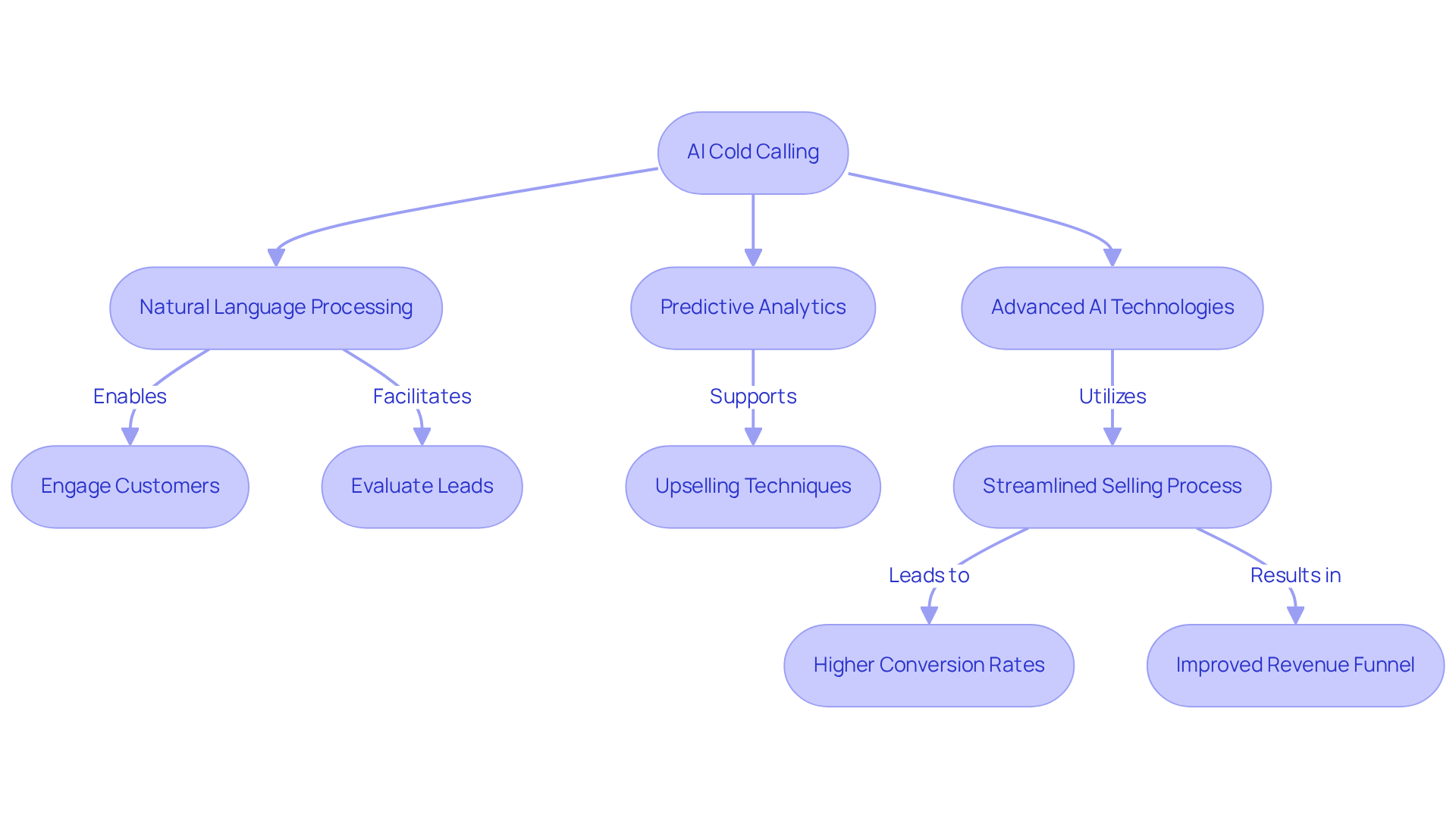
The method businesses use for outbound sales inquiries is being revolutionized by the AI cold caller. By harnessing advanced artificial intelligence technologies, this method employs sophisticated algorithms and machine learning to engage potential customers in a way that closely mimics human interaction. Intone's AI voice agents are designed to initiate calls, evaluate prospects, and independently gather essential information, thereby streamlining the selling process through human-like exchanges.
By utilizing natural language processing (NLP) and predictive analytics, these AI cold callers evaluate the chances of a lead converting, which significantly enhances the revenue funnel. They also apply effective upselling techniques to reconnect with previous customers, making the communication process not only simpler but also more productive for sales teams. In fact, companies leveraging AI-driven outreach strategies, such as those offered by Intone, report success rates that are approximately 50% higher than those relying solely on traditional methods.
Moreover, with real-time monitoring and analytics, revenue managers can swiftly respond to performance metrics, ensuring continuous improvement and operational efficiency. As the sales landscape evolves, utilizing an AI cold caller in cold outreach practices is becoming essential for achieving a competitive edge and maximizing conversion rates. Embrace this technology to elevate your sales strategy and drive success.
Explore Key Components of AI Cold Calling Technology
Explore Key Components of AI Cold Calling Technology
Attention: In the rapidly evolving landscape of sales, AI cold calling technology stands out as a game-changer. Understanding its key components is essential for businesses aiming to enhance their outreach strategies.
-
Natural Language Processing (NLP): At the forefront is Natural Language Processing (NLP). This technology empowers AI to understand and respond to human speech, fostering interactions that feel conversational and intuitive. With 81% of B2B buyers favoring interactive content, NLP significantly boosts engagement by making conversations more relatable.
-
Predictive Analytics: Next, we have Predictive Analytics. By leveraging historical data, AI identifies high-intent prospects, dramatically improving outreach efficiency. Companies that utilize predictive analytics have reported a remarkable 50% increase in sales-ready prospects, underscoring its effectiveness in qualification.
-
Integration with CRM Systems: Seamless integration with Customer Relationship Management (CRM) systems is another critical component. This ensures that all interactions are meticulously recorded, providing staff with immediate access to relevant information. Notably, only 56% of B2B firms confirm prospects before passing them to sales, which risks unvetted contacts.
-
Real-Time Analytics: Real-Time Analytics offers insights into call performance, enabling teams to adapt strategies on the fly. With Intone's AI voice agents, real-time monitoring of key metrics delivers instant feedback, allowing for timely adjustments that enhance conversion rates. AI agents can analyze both verbal and non-verbal cues, identifying signs of prospect hesitation and offering a comprehensive view of prospect dynamics.
-
Automated Follow-Ups: Automated Follow-Ups are crucial in ensuring no opportunity slips through the cracks. AI systems can schedule and send personalized follow-up communications based on call outcomes. Engaging a lead within five minutes can make them nine times more likely to convert, highlighting the critical nature of timely follow-ups.
-
Customizable Solutions: Intone's AI voice agents also provide customizable solutions. Businesses can choose from a library of AI voices or even clone voices from top-performing human agents. This level of customization fosters trust and enhances the overall customer experience.
-
Automated Quality Assurance: Finally, Automated Quality Assurance plays a vital role in continuous improvement. Tools that fine-tune agent behavior in real time ensure that conversations become smarter and more effective. Together, these elements form a robust framework that enhances the efficiency of the AI cold caller, leading to improved engagement and increased conversion rates.

Implement AI Cold Calling: Practical Applications for Sales Teams
To implement AI cold calling effectively, sales teams should consider several practical applications:
-
Start with a Pilot Program: Initiating a pilot program allows teams to test the AI cold outreach system on a small segment of the target audience. This approach not only helps gauge effectiveness but also identifies potential challenges before a full rollout. Companies that have successfully implemented pilot programs often report significant improvements in conversion rates, with some experiencing up to a 30% increase in sales productivity.
-
Train the AI with Quality Data: The effectiveness of AI in cold calling hinges on the quality of the data used for training. High-quality, relevant data enhances the ability of the AI cold caller to accurately recognize and interact with prospects, leading to better outcomes. Organizations that prioritize data hygiene see a remarkable 25% increase in conversion rates, underscoring the importance of this step. Furthermore, by uploading scripts, training resources, and call recordings, sales groups can customize Intone's AI agents specifically to their business requirements, ensuring optimal performance.
-
Utilize Call Scripts: Developing dynamic call scripts enables the AI to conduct personalized interactions based on lead data. This personalization is crucial, as using an AI cold caller for outreach has been shown to increase response rates by 25%, making conversations more relevant and engaging for prospects. Intone's adaptable solutions empower groups to establish data sources and call transfer regulations, thereby improving the efficiency of these interactions.
-
Monitor and Adjust: Regular analysis of call outcomes is essential for continuous improvement. By monitoring performance metrics, teams can modify their strategies in real-time, ensuring that the AI outreach system adapts to meet shifting market demands. Businesses that adopt continuous monitoring frequently indicate a 20-30% decrease in cycle duration, supported by Intone's intelligent analytics features, which offer insights into customer engagements and campaign effectiveness.
-
Integrate Human Oversight: While AI can efficiently handle many tasks, integrating human oversight for complex interactions can significantly enhance customer satisfaction and conversion rates. Sales leaders emphasize that the human element remains vital, especially for high-value deals, where nuanced understanding and relationship-building are key to success. Furthermore, Intone's AI agents are available 24/7, ensuring that customer inquiries are addressed promptly, thereby enhancing overall engagement.

Evaluate Benefits and Challenges of AI Cold Calling
The integration of AI in cold calling presents several compelling advantages that can transform sales operations:
-
Enhanced Productivity: Intone's AI sales representatives can manage a remarkable volume of calls, enabling sales teams to concentrate on closing deals rather than spending time dialing numbers. This capability can boost calling capacity by up to 285%, allowing teams to connect with more prospects in less time. With seamless deployment, simply send your scripts, and Intone will customize the AI agent to meet your business needs using the agent editor.
-
Cost Reduction: Automating cold calls leads to significant labor cost savings compared to traditional methods. Companies typically invest between $10,000 and $15,000 in hiring, yet only allocate about $2,000 annually for training. By adopting AI, organizations can streamline their operations and substantially reduce these expenses.
-
Enhanced Prospect Qualification: Intone's intelligent analytics empower the AI to sift through vast amounts of data to pinpoint high-potential prospects, thereby improving conversion rates. In fact, teams utilizing AI have reported a 50% increase in inquiries and a 60% rise in qualified prospects, underscoring the technology's effectiveness in refining sales processes. Real-time insights allow managers to track performance and make data-driven decisions, further enhancing lead qualification.
However, there are challenges that must be addressed:
-
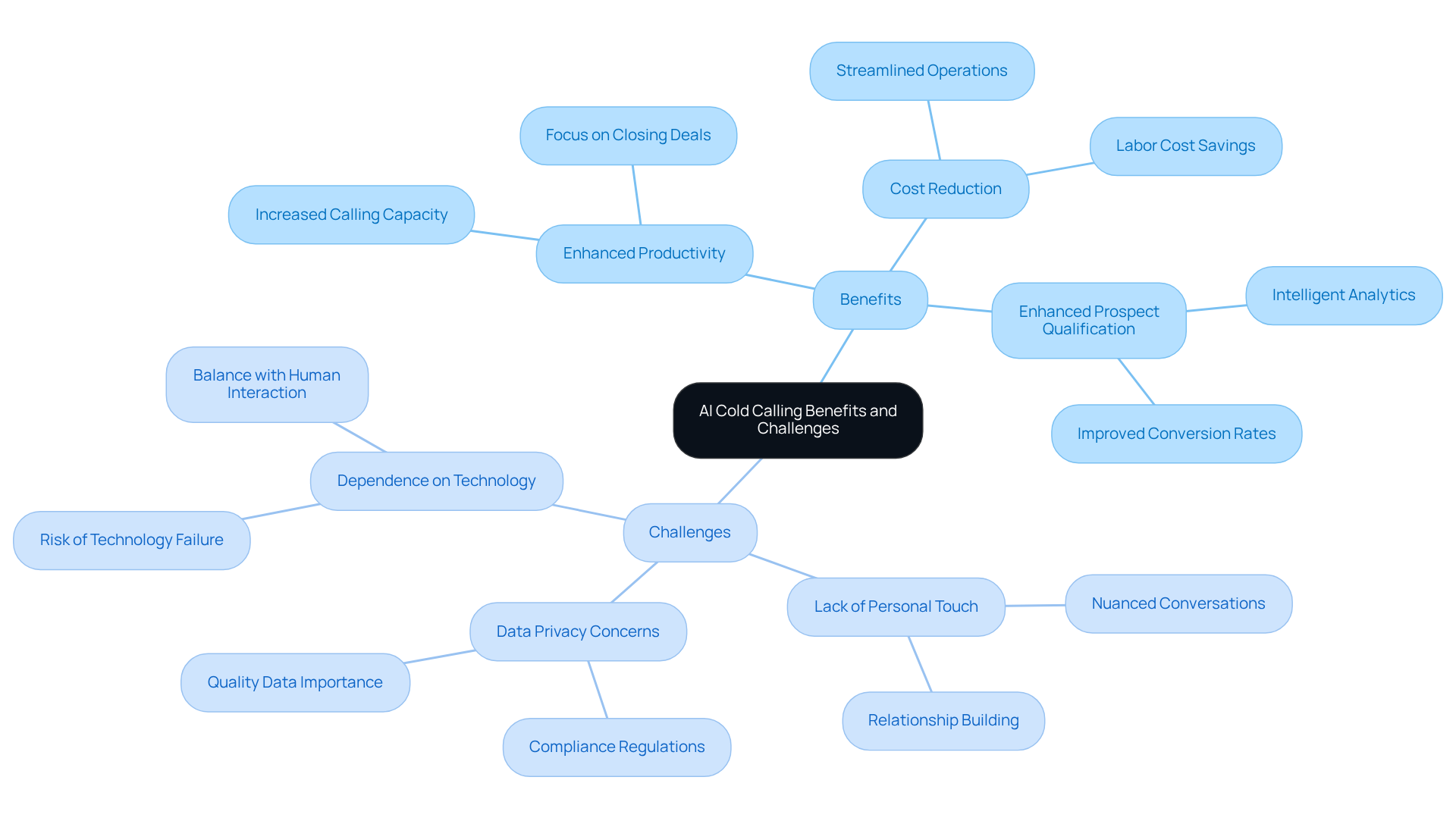
Lack of Personal Touch: While AI excels in efficiency, it may falter in nuanced conversations, potentially leading to a disconnect with prospects. This can hinder relationship-building, which is vital in business.
-
Data Privacy Concerns: Organizations must navigate complex regulations surrounding customer data to ensure compliance. The importance of maintaining high-quality information cannot be overstated, as poor data can waste approximately 27% of a representative's time.
-
Dependence on Technology: An over-reliance on AI can present risks if the technology fails or is not properly maintained. Sales teams must strike a balance between AI usage and human interaction to ensure effective communication and engagement.
In conclusion, while the AI cold caller offers substantial opportunities for efficiency and cost savings, it is essential to address the inherent challenges to fully leverage its potential in the sales process. Additionally, utilizing Intone's telephony setup can further enhance the effectiveness of AI agents in managing calls.
Adopt Best Practices for Integrating AI Cold Callers
To effectively integrate AI cold callers into your sales strategy, consider these best practices:
-
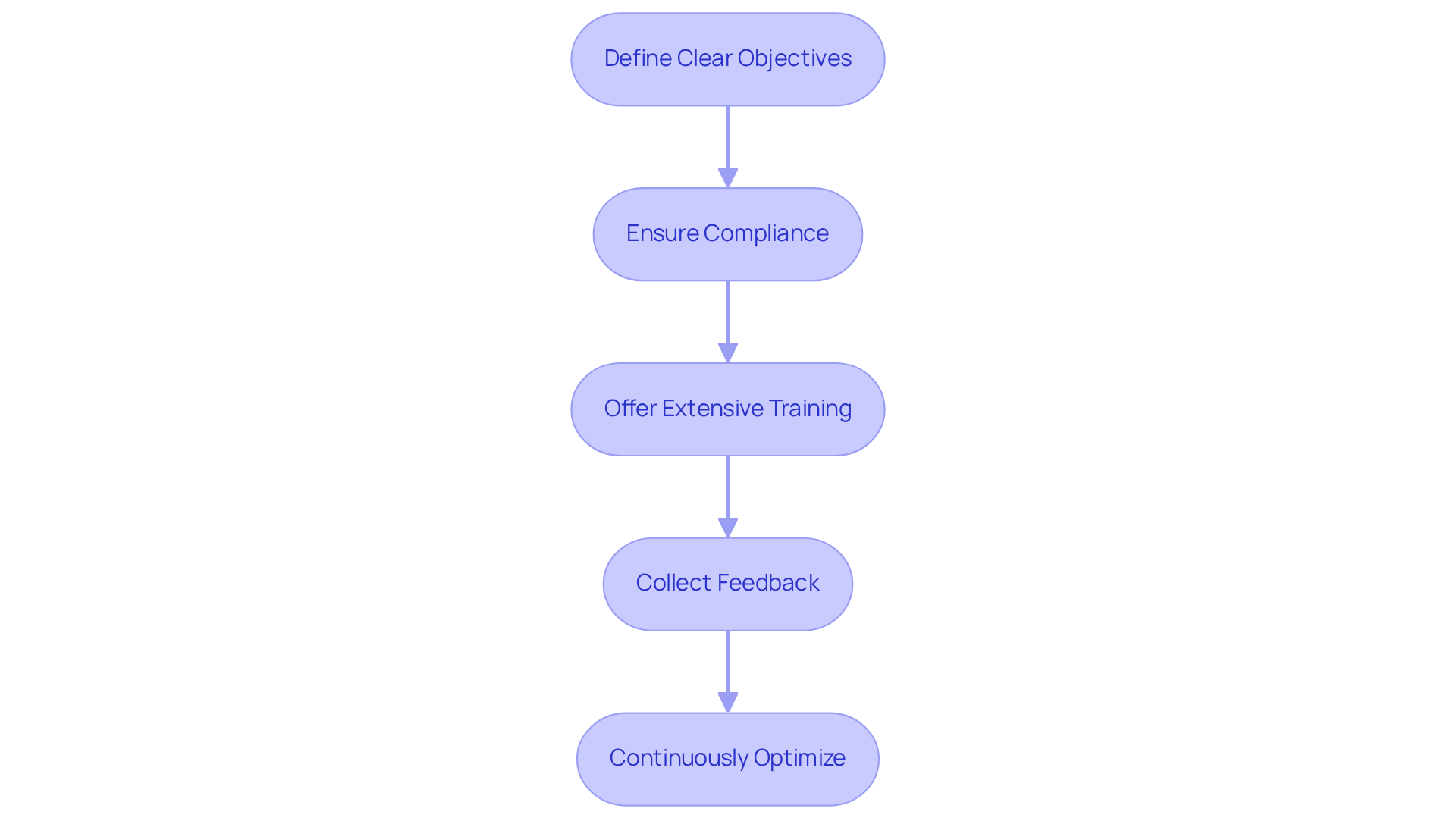
Define Clear Objectives: Establish specific goals for your AI cold calling efforts. For instance, aim to increase lead conversion rates by 30% or reduce average call times by 20%. Clear objectives not only guide the implementation of your AI initiatives but also provide a benchmark for evaluation.
-
Ensure Compliance: Staying informed about regulations governing automated calls is crucial. This includes understanding state-level requirements for disclosing AI interactions. Adhering to these regulations safeguards your business and fosters trust with clients. In fact, 72% of organizations anticipate that AI solutions will enhance decision-making by 2025.
-
Offer Extensive Training: Equip your salesforce with the skills necessary to work efficiently with AI. Training should encompass how to interpret AI-generated data and adjust strategies accordingly. This ensures that team members can leverage insights for improved performance.
-
Collect Feedback: Regularly seek insights from both sales teams and clients to enhance the AI's performance. Feedback loops are essential for refining interactions. Companies that actively pursue customer insights report a 27% improvement in satisfaction scores.
-
Continuously Optimize: Utilize performance metrics to pinpoint areas for improvement. Regular assessments of the AI system's effectiveness are vital. Organizations that implement AI often experience a 10-15% reduction in sales cycle times, along with a significant boost in lead engagement.
By following these best practices, you can ensure that your integration of AI cold callers not only complies with standards but also significantly enhances your sales strategy.
Conclusion
Embracing AI cold calling is a pivotal move for businesses aiming to elevate their sales outreach. By integrating cutting-edge technologies that replicate human interaction, organizations can significantly enhance their engagement with potential customers while streamlining sales processes. This innovative strategy not only boosts productivity but also drives conversion rates, positioning companies to excel in a competitive landscape.
Key insights reveal the fundamental components of AI cold calling, including:
- Natural Language Processing
- Predictive Analytics
- Real-time monitoring
These technologies empower sales teams to pinpoint high-intent prospects, personalize interactions, and make data-driven decisions that elevate overall performance. Moreover, implementing best practices - such as defining clear objectives, ensuring compliance, and continuously optimizing strategies - can lead to remarkable enhancements in sales effectiveness.
Ultimately, integrating AI cold callers is not just a trend; it’s a strategic necessity for contemporary sales teams. By harnessing these advanced tools, organizations can streamline operations and cultivate deeper connections with prospects, ensuring they stay ahead of the curve. As the sales landscape evolves, adopting AI cold calling practices will be essential for achieving sustained success and maximizing revenue potential.
Frequently Asked Questions
What is AI cold calling?
AI cold calling is a method used by businesses for outbound sales inquiries that employs advanced artificial intelligence technologies to engage potential customers through human-like interactions. It utilizes algorithms and machine learning to streamline the selling process.
How do AI cold callers evaluate leads?
AI cold callers use natural language processing (NLP) and predictive analytics to assess the likelihood of a lead converting, enhancing the revenue funnel and improving outreach efficiency.
What are the success rates of companies using AI cold calling compared to traditional methods?
Companies leveraging AI-driven outreach strategies report success rates that are approximately 50% higher than those relying solely on traditional cold calling methods.
What are the key components of AI cold calling technology?
The key components include Natural Language Processing (NLP), Predictive Analytics, Integration with CRM Systems, Real-Time Analytics, Automated Follow-Ups, Customizable Solutions, and Automated Quality Assurance.
How does Natural Language Processing (NLP) enhance AI cold calling?
NLP allows AI to understand and respond to human speech, creating conversational and intuitive interactions, which significantly boosts engagement with potential customers.
What role does Predictive Analytics play in AI cold calling?
Predictive Analytics helps AI identify high-intent prospects by leveraging historical data, leading to a 50% increase in sales-ready prospects for companies that use it.
Why is integration with CRM systems important in AI cold calling?
Integration with CRM systems ensures that all interactions are recorded, providing immediate access to relevant information and preventing unvetted contacts from being passed to sales teams.
How does Real-Time Analytics benefit sales teams using AI cold calling?
Real-Time Analytics provides insights into call performance, allowing teams to adapt their strategies based on key metrics and enhance conversion rates through timely adjustments.
What is the significance of Automated Follow-Ups in AI cold calling?
Automated Follow-Ups ensure timely communication with leads, which is critical as engaging a lead within five minutes can make them nine times more likely to convert.
How can businesses customize their AI cold calling solutions?
Businesses can choose from a library of AI voices or clone voices from top-performing human agents, which fosters trust and enhances the overall customer experience.
What is the role of Automated Quality Assurance in AI cold calling?
Automated Quality Assurance fine-tunes agent behavior in real time, ensuring that conversations become smarter and more effective, contributing to improved engagement and increased conversion rates.