
Introduction
In today’s digital landscape, the art of tele sales is undergoing a significant transformation, requiring more than just a persuasive pitch. Effective communication during sales calls is crucial for building relationships and closing deals. However, many professionals find themselves grappling with the nuances of engaging prospects. This article explores best practices that can turn tele conversations into powerful tools for success. By focusing on preparation, active engagement, and leveraging cutting-edge AI technology, sales teams can significantly enhance their outcomes.
How can these strategies not only help sales teams connect with customers but also drive conversions in an increasingly competitive market?
Prepare for Successful Sales Calls
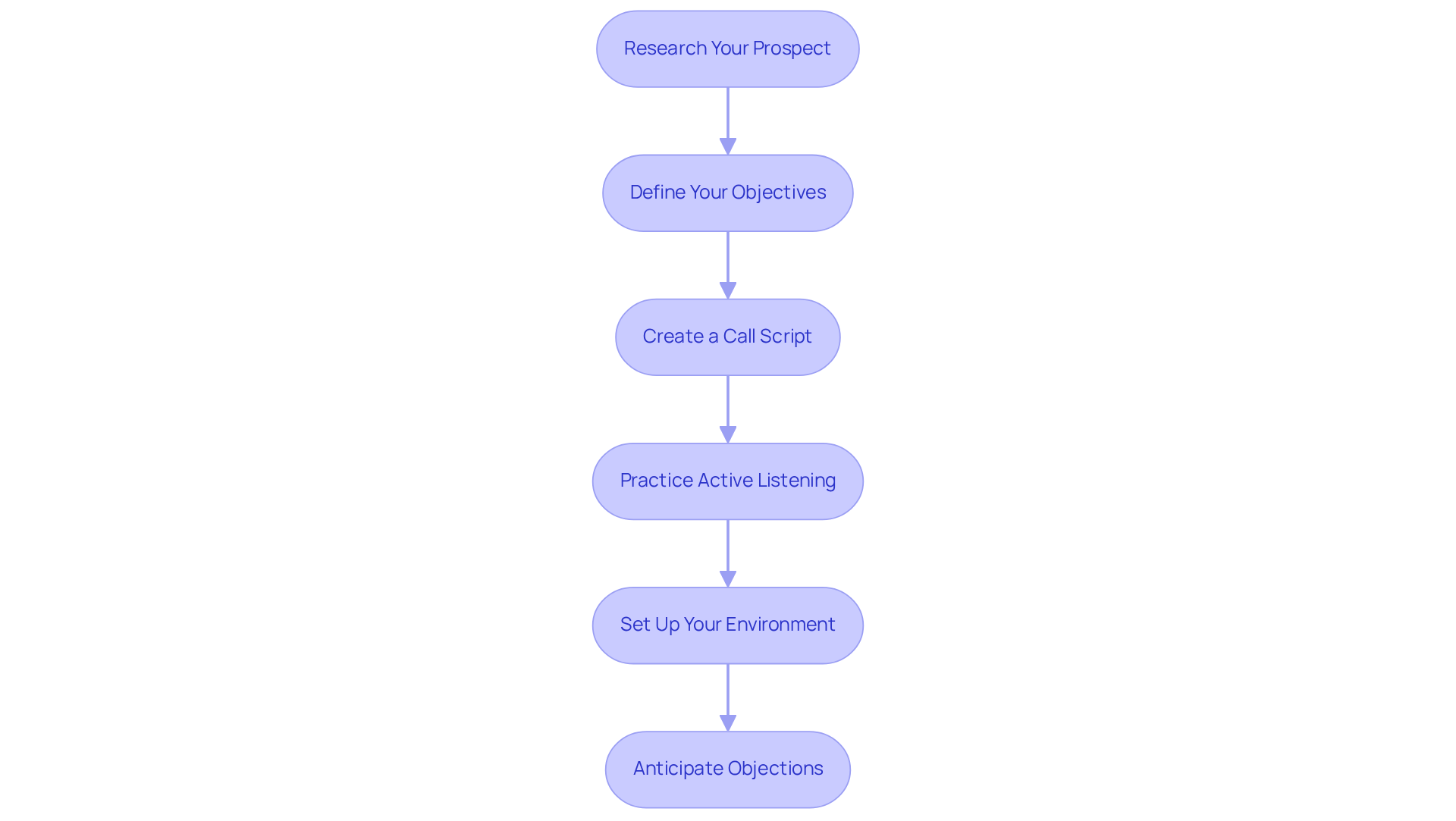
To prepare effectively for sales calls, follow these essential steps:
-
Research Your Prospect: Understand their business, industry, and specific needs. Utilize tools like LinkedIn or company websites to gather valuable insights.
-
Define Your Objectives: Clearly outline what you aim to achieve during the call-whether it's qualifying a lead, closing a sale, or gathering feedback.
-
Create a Call Script: Develop a flexible script that includes key points you want to cover. Be ready to adapt based on the conversation's flow. Consider integrating AI voice agents to customize your tele conversation script using real-time analytics and customer interactions.
-
Practice Active Listening: Prepare to listen more than you speak. This approach will help you understand the prospect's challenges and tailor your responses accordingly, especially when leveraging smart analytics to assess customer sentiment.
-
Set Up Your Environment: Ensure you are in a quiet space with minimal distractions. Have all necessary materials at hand, including notes and relevant documents. Utilize Intone's AI agents to manage transfers and reporting, optimizing your workflow.
-
Anticipate Objections: Prepare responses to common objections you might encounter. This preparation allows you to address concerns confidently during the tele conversation. Use insights from your AI agent's data sources to proactively tackle these objections.
Additionally, consider submitting your scripts and training materials through user manuals to further tailor the AI agent to your specific business needs.
Engage Actively with Customers
To engage effectively with customers during sales calls, consider these proven strategies:
-
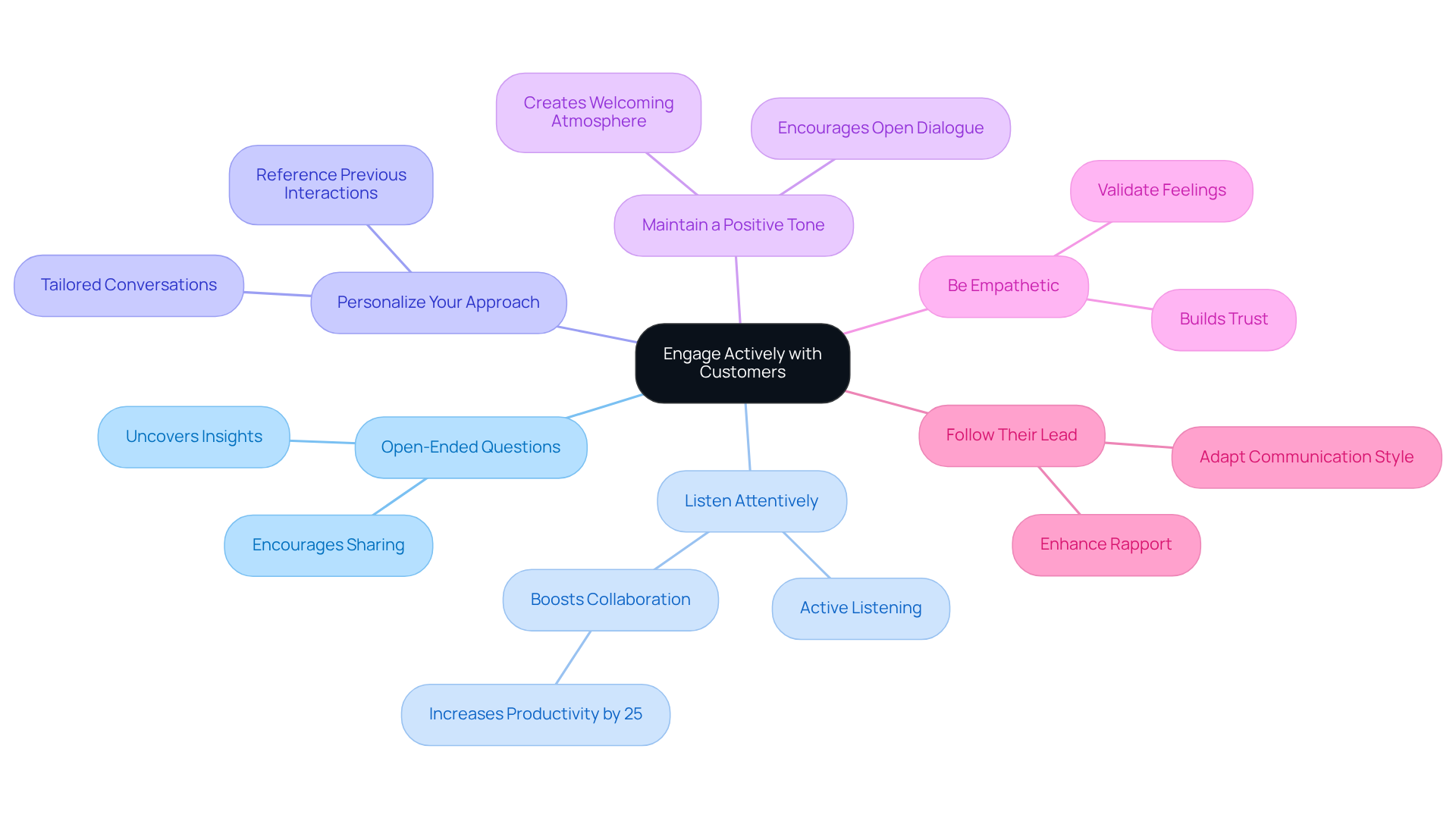
Use Open-Ended Questions: Encourage prospects to share their thoughts and needs by asking questions that require more than a simple yes or no. This approach not only fosters deeper discussions but also allows professionals to uncover valuable insights about customer preferences and challenges.
-
Listen Attentively: Demonstrate that you value their input by listening actively. Acknowledge their points and respond thoughtfully. Active listening during a tele conversation can boost collaboration and productivity by up to 25%, making it an essential skill in sales interactions.
-
Personalize Your Approach: Tailor your conversation to the individual's unique situation. Reference previous interactions or specific details about their business to show that you understand their context and are genuinely invested in their success.
-
Maintain a Positive Tone: Use an upbeat and friendly tone to create a welcoming atmosphere. This can help put the individual at ease during a tele conversation and foster a more open dialogue, encouraging them to share more freely.
-
Be Empathetic: Understand and validate the potential client's feelings and concerns. This builds trust and demonstrates that you genuinely care about their needs. As Dr. Maya Angelou wisely noted, people remember how they feel more than what is said, underscoring the importance of emotional connections in sales.
-
Follow Their Lead: Adapt your communication style to match the individual's preferences. If they lean towards a more formal approach, adjust accordingly. This flexibility can enhance rapport and make the conversation more productive.
Implement Effective Follow-Up Strategies
To enhance your follow-up process, consider implementing these effective strategies:
-
Timely follow-ups: Reach out within hours of the initial tele conversation to keep the dialogue fresh in the prospect's mind. Research indicates that leads contacted within five minutes are nine times more likely to convert, highlighting the critical nature of prompt follow-up (Kayela Young).
-
Personalize your messages by referencing specific points discussed during the tele conversation to showcase your attentiveness and engagement. Personalization can boost response rates by over 30%, and 89% of sales professionals report a positive ROI when they incorporate personalization into their cold email campaigns.
-
Utilize Multiple Channels: Avoid relying solely on email. Explore follow-ups through phone conversations, SMS, or even social media to connect with prospects in their preferred environments. Multi-channel outreach can yield a staggering 87% higher response rate compared to single-channel efforts (Kayela Young).
-
Set clear next steps during the tele conversation: at the conclusion of each interaction, clarify the next steps, whether that involves scheduling another tele conversation or sending additional information. This clarity sustains momentum in the transaction process. Sales teams that establish a standardized follow-up process experience a 78% higher conversion rate than those without systematic approaches.
-
Provide Value: Share relevant content, such as articles or case studies, that align with the prospect's needs or interests. This positions you as a valuable resource rather than just a salesperson, fostering trust and rapport.
-
Track Your Follow-Ups: Implement a CRM system to log interactions and set reminders for future follow-ups, ensuring no lead slips through the cracks. Consistent tracking can significantly enhance your follow-up strategy, leading to improved conversion rates.

Leverage AI Technology for Enhanced Communication
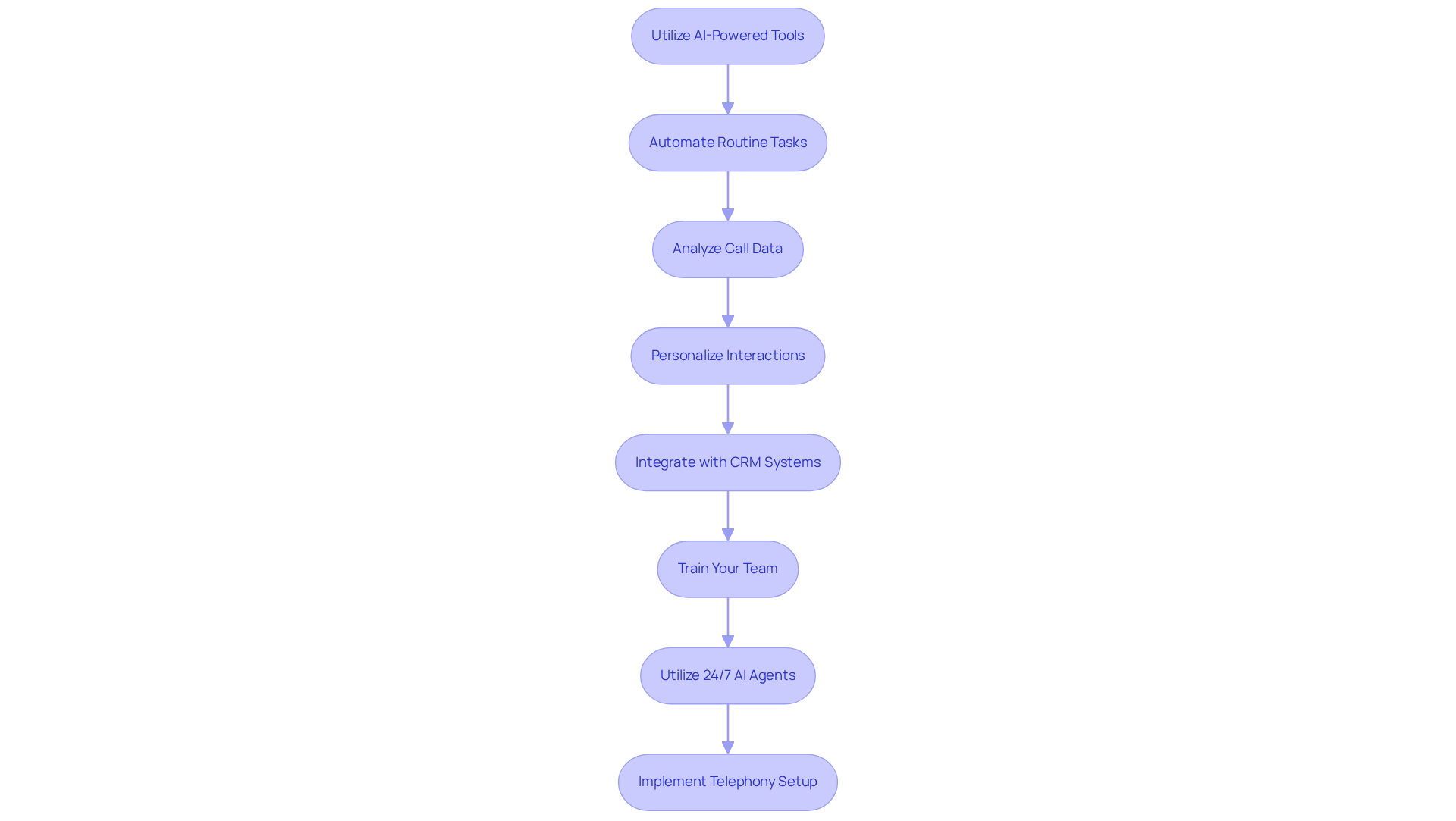
To effectively leverage AI technology in your sales conversations, consider these powerful strategies:
-
Utilize AI-Powered Tools: Implement AI-driven platforms that analyze customer data, providing insights into optimal contact times and effective messaging strategies. This approach enhances targeting and personalization, which are crucial for engaging informed buyers.
-
Automate Routine Tasks: Harness AI to automate follow-up emails and reminders, allowing professionals to focus on high-value interactions. Automation can significantly boost productivity, with users saving an average of 12 hours per week. Notably, 61% of commercial organizations are using AI to automate repetitive tasks, resulting in a reported 40% decrease in administrative duties.
-
Analyze Call Data: Leverage smart analytics to examine previous tele conversations for patterns and insights that guide future discussions. This analysis helps identify successful tactics and areas for improvement, ultimately enhancing communication effectiveness.
-
Personalize Interactions: Use AI to gather data on customer preferences and behaviors, enabling more personalized and relevant conversations. Personalization is a key trend in AI-driven commerce, allowing brands to address individual buyer needs directly.
-
Integrate with CRM Systems: Ensure your AI tools are integrated with your CRM to facilitate a seamless flow of information and insights. These solutions improve the overall transaction process, making it easier to track interactions and results. The global market for revenue automation is projected to reach $16 billion by 2025, underscoring the growing importance of these tools.
-
Train Your Team: Provide comprehensive training on effectively using AI tools to enhance communication and engagement with prospects. Equip your team with the essential skills to maximize technology's potential, improving outcomes in engagement interactions. Additionally, be mindful that data privacy is a top concern for 40% of organizations regarding AI implementation, making it crucial to address these issues.
-
Utilize 24/7 AI Agents: Take advantage of 24/7 AI agents to ensure customer inquiries are handled promptly, enhancing customer satisfaction and engagement.
-
Implement Telephony Setup: Explore the telephony setup options available with Intone to streamline call management and improve the efficiency of your sales operations. Users can upload their scripts and training materials to tailor the AI agent specifically for their business needs.
Conclusion
Effective tele conversations in sales hinge on a blend of preparation, engagement, and follow-up strategies. By adopting best practices such as thorough research, clear objective setting, and active listening, sales professionals can create a solid foundation for meaningful interactions. The integration of AI technology further enhances this process, enabling tailored communication and efficient follow-ups that resonate with prospects.
Key insights emphasize the importance of personalizing conversations and maintaining a positive tone to foster a trusting relationship with potential clients. Engaging customers through open-ended questions and empathetic listening not only enriches the dialogue but also significantly boosts collaboration and productivity. Additionally, timely and personalized follow-ups are crucial for converting leads into sales, with multi-channel outreach proving to be highly effective.
Ultimately, embracing these practices elevates the quality of sales conversations and positions sales professionals as valuable resources to their clients. As the landscape of sales continues to evolve, leveraging technology and adopting a customer-centric approach will be paramount in achieving sustained success. Sales teams are encouraged to implement these strategies and continuously refine their techniques to enhance engagement and drive conversions.
Frequently Asked Questions
What is the first step to prepare for a successful sales call?
The first step is to research your prospect by understanding their business, industry, and specific needs using tools like LinkedIn or company websites.
Why is it important to define your objectives before a sales call?
Defining your objectives helps you clearly outline what you aim to achieve during the call, whether it's qualifying a lead, closing a sale, or gathering feedback.
How can a call script assist in a sales call?
A call script provides a flexible outline of key points to cover during the call, allowing you to adapt based on the conversation's flow.
What role does active listening play during sales calls?
Active listening is crucial as it helps you understand the prospect's challenges and tailor your responses accordingly, enhancing the effectiveness of the conversation.
What should you do to set up your environment for a sales call?
Ensure you are in a quiet space with minimal distractions and have all necessary materials at hand, including notes and relevant documents.
How can AI voice agents assist in preparing for sales calls?
AI voice agents can help customize your tele conversation script using real-time analytics and customer interactions, optimizing your workflow.
Why is it important to anticipate objections during sales calls?
Anticipating objections allows you to prepare responses to common concerns, enabling you to address them confidently during the conversation.
How can insights from AI agents help in addressing objections?
Insights from your AI agent's data sources can provide valuable information to proactively tackle objections and enhance your responses during the call.
What additional resources can be submitted to tailor AI agents to specific business needs?
You can submit your scripts and training materials through user manuals to further customize the AI agent to your specific business requirements.