
Introduction
The blend operator is a crucial component in the complex machinery of modern production, possessing the ability to significantly impact product quality across diverse industries, from food processing to pharmaceuticals. These professionals not only oversee the mixing of raw materials but also ensure compliance with stringent safety and performance standards, making their role indispensable for operational excellence. As the demand for skilled labor escalates in a rapidly evolving manufacturing landscape, organizations must ask: how can they effectively cultivate and leverage the expertise of blend operators to boost productivity and enhance quality?
Define the Role of a Blend Operator
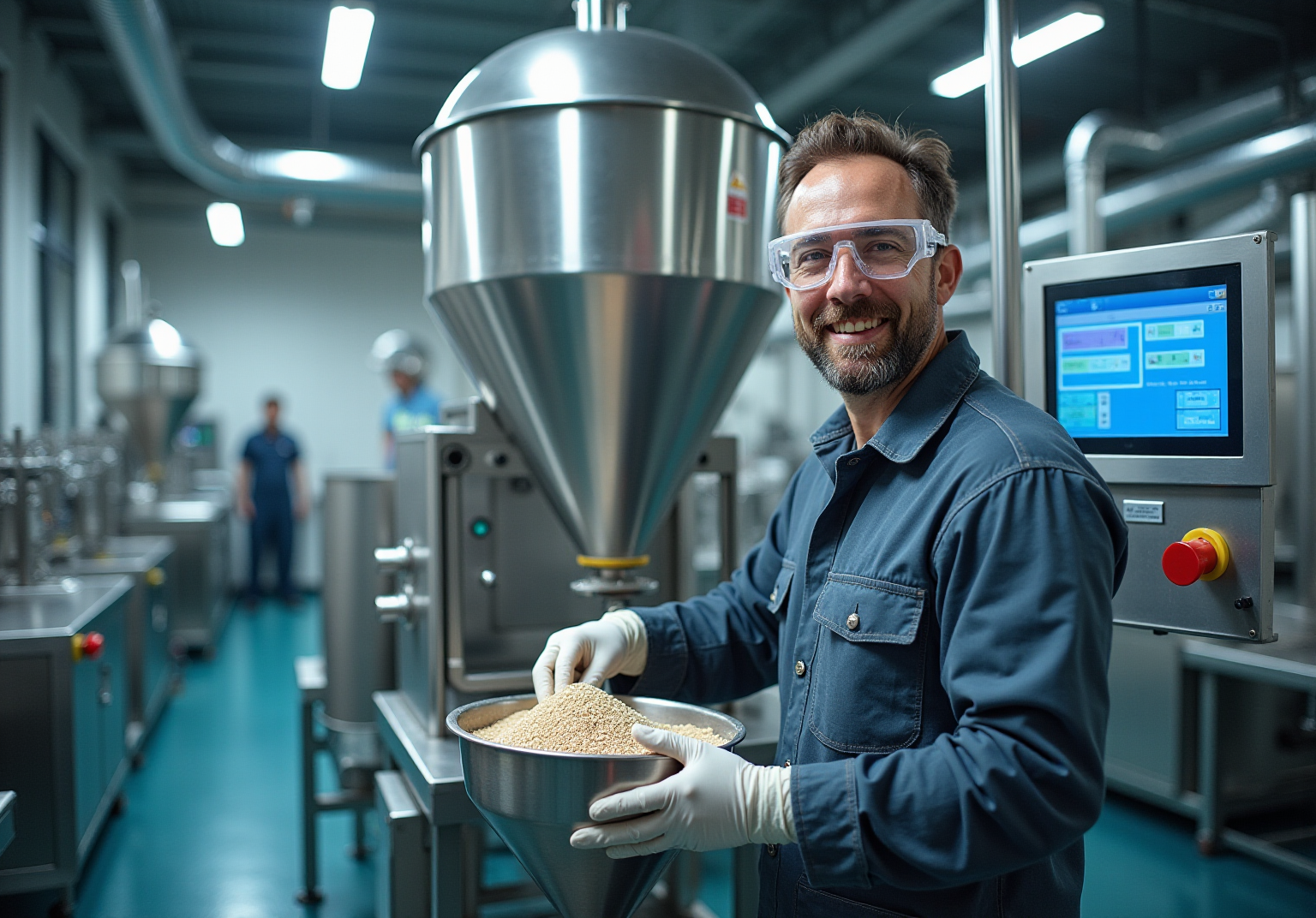
A blend operator plays a crucial role in the production process, serving as a highly skilled professional responsible for the operation and oversight of mixing machines. These experts ensure that various raw materials are combined precisely according to production specifications using a blend operator, which is a necessity in industries such as food processing, pharmaceuticals, and chemicals, where exact mixing is vital for maintaining product standards.
Blend operators are not just mixing agents; they are accountable for adhering to stringent safety and performance standards. They implement necessary modifications to enhance uniformity and effectiveness during the mixing process with the use of a blend operator. The role of the blend operator is crucial as their expertise directly influences the quality of the final product, underscoring their essential position within the production chain.
Consider this: a case study by NoMuda VisualFactory reveals that effective mixing processes can lead to a remarkable 20% increase in productivity. This statistic highlights the substantial impact that mixing personnel have on overall . As the industry evolves, the demand for skilled mixing specialists is expected to rise, particularly in light of the ongoing digital transformation in manufacturing. This shift underscores the need for technicians and engineers who can adeptly manage advanced machinery.
The importance of workforce development and training cannot be overstated. An upcoming webinar on April 22, 2026, will delve into onboarding techniques and strategies for creating a diverse workforce, addressing the pressing need for skilled labor in this tightening market. As JJ Moore from Bosch Rexroth Corp. aptly noted, manufacturers are facing a labor market that is becoming increasingly competitive, which makes the role of the blend operator even more critical in ensuring high-quality production.

Outline Key Responsibilities of a Blend Operator
Mixing personnel play a vital role in production, with a range of responsibilities that include:
- Operating mixing equipment
- Measuring and loading raw materials
- Overseeing the mixing process
- Conducting control inspections
Their primary duty is to ensure that the correct materials are utilized and that the blend operator follows established recipes and specifications during the blending process.
Moreover, blending personnel are responsible for:
- Maintaining equipment
- Diagnosing issues
- Meticulously recording production data
This diligence is essential for . Their keen attention to detail and adaptability to changing conditions are crucial for sustaining production efficiency.
In summary, the expertise of mixing personnel not only ensures quality and compliance but also drives operational success. Their commitment to excellence is what keeps production running smoothly.

Explain the Importance of Blend Operators in Industry
The blend operator plays a pivotal role across various sectors, particularly in food and pharmaceuticals. Their expertise ensures that products consistently meet rigorous standards and production specifications. By effectively utilizing mixing equipment, they directly influence the consistency and quality of the final product - an essential factor for safety and compliance.
Efficient mixing processes not only enhance product standards but also lead to significant reductions in waste and improvements in efficiency. For example, studies show that optimized blending processes can yield cost savings of up to 20% for manufacturers. This statistic underscores the financial impact of effective blending on operational success.
Moreover, the documentation and traceability of inspections and corrective measures are vital for compliance and consistency. This highlights the of the blend operator in managing personnel to uphold standards. As industries increasingly prioritize assurance of quality and operational excellence, the position of mixing personnel becomes indispensable in driving business success and maintaining a competitive edge.
Effective quality control requires not just skilled staff but also a culture of continuous improvement and guidance. These elements combine to enhance daily operations, ensuring that standards are not only met but exceeded.

Identify Essential Skills and Qualifications for Blend Operators
To excel in the manufacturing field, individuals must possess a unique combination of technical skills and personal attributes that distinguish them as a . Essential skills include:
- Mechanical aptitude
- A keen attention to detail
- The ability to operate mixing machinery safely and efficiently
Typically, a high school diploma or equivalent is required, but pursuing additional training or certification in manufacturing processes can significantly enhance one’s qualifications.
Moreover, strong problem-solving skills and the ability to work under pressure are critical for success in this role. Effective communication is equally essential, as it fosters collaboration and ensures smooth operations, particularly when using a blend operator. As blending technologies and industry standards evolve, continuous learning and adaptability become crucial. Staying updated not only enhances individual performance but also contributes to overall operational excellence.

Conclusion
The role of a blend operator is not just important; it is integral to the manufacturing process, serving as the backbone of quality and efficiency in production. By expertly managing the mixing of raw materials, these professionals ensure that products meet stringent standards, significantly impacting overall operational success. The importance of blend operators cannot be overstated. They influence product quality and drive improvements in efficiency and compliance across various industries.
Key responsibilities of blend operators include:
- Operating mixing equipment
- Maintaining safety standards
- Ensuring precise adherence to production specifications
Their attention to detail and adaptability to changing conditions are vital for minimizing waste and maximizing productivity. As industries embrace new technologies and prioritize workforce development, the demand for skilled blend operators is expected to grow.
Ultimately, the significance of blend operators extends beyond their immediate tasks. They play a crucial role in fostering a culture of quality assurance and continuous improvement, essential for maintaining a competitive edge in the market. Investing in training and development for blend operators is paramount to ensuring that production processes remain efficient and that product standards are consistently met. Emphasizing the value of this role not only enhances operational effectiveness but also contributes to the broader goal of achieving excellence in manufacturing.
Frequently Asked Questions
What is the role of a blend operator?
A blend operator is a skilled professional responsible for the operation and oversight of mixing machines, ensuring that raw materials are combined precisely according to production specifications.
In which industries is the role of a blend operator crucial?
The role of a blend operator is vital in industries such as food processing, pharmaceuticals, and chemicals, where precise mixing is essential for maintaining product standards.
What responsibilities do blend operators have beyond mixing?
Blend operators are accountable for adhering to safety and performance standards, implementing modifications to enhance uniformity and effectiveness during the mixing process.
How does the expertise of a blend operator impact product quality?
The expertise of a blend operator directly influences the quality of the final product, underscoring their essential position within the production chain.
What impact can effective mixing processes have on productivity?
Effective mixing processes can lead to a significant increase in productivity, with a case study indicating a remarkable 20% increase in manufacturing efficiency due to skilled mixing personnel.
What is the future demand for blend operators expected to be?
The demand for skilled mixing specialists is expected to rise, particularly due to the ongoing digital transformation in manufacturing, which requires technicians and engineers to manage advanced machinery.
Why is workforce development and training important for blend operators?
Workforce development and training are crucial to address the pressing need for skilled labor in a tightening market, ensuring that manufacturers can maintain high-quality production.
What event is addressing the need for skilled labor in manufacturing?
An upcoming webinar on April 22, 2026, will focus on onboarding techniques and strategies for creating a diverse workforce to tackle the skilled labor shortage in manufacturing.