
Introduction
Choosing the right telecalling data provider can significantly impact a company’s outreach efforts. In today’s data-driven landscape, understanding the nuances of data accuracy, compliance, and customization is crucial for maximizing conversion rates and ensuring customer satisfaction. However, what challenges arise when seeking a provider that not only meets these essential criteria but also integrates seamlessly with existing systems?
This article explores best practices for selecting a telecalling data provider, equipping businesses with the knowledge they need to enhance their telecalling campaigns effectively. By delving into these insights, you’ll be better prepared to make informed decisions that drive success.
Evaluate Data Accuracy and Relevance
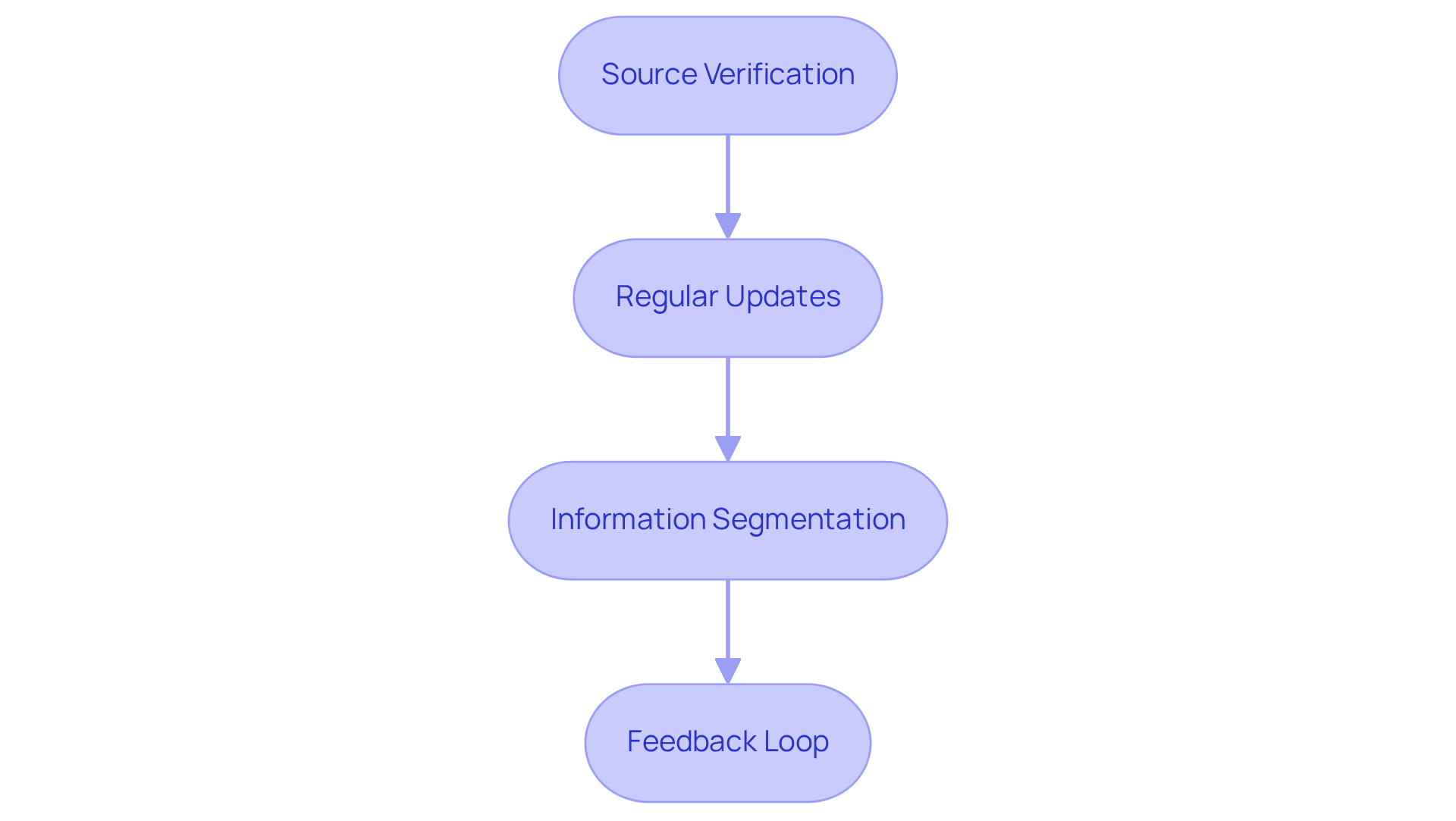
To ensure the effectiveness of your telecalling campaigns, it’s crucial to rigorously evaluate the accuracy and relevance of the information you plan to use. Here’s how you can do it:
- Source Verification: Always confirm the origins of your information. Rely on a telecalling data provider that is trustworthy and known for their rigorous collection and validation processes.
- Regular Updates: Establish a routine for refreshing your information. Outdated data can lead to missed opportunities and wasted efforts. Consider automated tools that can periodically update your information.
- Information Segmentation: Organize your information based on specific criteria relevant to your target audience. This ensures your telecalling efforts are directed toward leads that are more likely to convert.
- Feedback Loop: Implement a feedback system where your sales team can report on the quality of leads generated from the information. This will help improve your sources over time.
By prioritizing precision and relevance in your information, companies can significantly enhance their calling effectiveness as a telecalling data provider, which leads to higher conversion rates and improved customer satisfaction.
Ensure Compliance and Privacy Standards
For any telecalling data provider, adherence to protection regulations is non-negotiable. To safeguard your business and foster trust with customers, consider these key practices:
-
Understand Regulations: Familiarize yourself with essential regulations such as GDPR, TCPA, and CCPA. Each regulation outlines specific requirements regarding information collection, storage, and usage, making it crucial to stay informed.
-
Information Processing Agreements: Ensure that your telecalling data provider has robust processing agreements in place. These agreements should clearly outline their compliance with applicable laws, protecting your business from potential liability.
-
Routine Audits: Conduct routine audits of your information handling practices. This includes a thorough examination of how information is gathered, stored, and accessed, ensuring ongoing compliance with regulations.
-
Training and Awareness: Provide comprehensive training for your team on compliance issues related to telephone outreach. Raising awareness of legal obligations can significantly reduce the risk of inadvertent violations.
By implementing these practices, businesses can not only safeguard themselves against legal repercussions but also build lasting trust with their customers.

Assess Customization Capabilities
When selecting a telecalling data provider, it is crucial to evaluate their customization capabilities for boosting sales performance. Here’s how to ensure you choose a provider that meets your specific needs:
-
Tailored Solutions: Confirm whether the supplier provides personalized information solutions that cater to the unique demands of the finance sector and your target audience. Tailored solutions can significantly enhance engagement and conversion rates.
-
Adaptable Information Models: Seek suppliers that allow for the personalization of information fields and attributes. This flexibility is vital for capturing the most relevant data for your sales strategy, especially in a sector where precision is key.
-
Integration with Current Systems: Ensure that the supplier's information can seamlessly integrate with your existing CRM and sales tools. Effective integration is essential for maintaining workflow efficiency and maximizing data utility.
-
User Feedback: Collect insights from current users about the supplier's customization options. Real-world experiences can shed light on how adaptable the provider is and how well their solutions align with your operational needs.
By prioritizing customization, businesses can significantly enhance their calling effectiveness through a telecalling data provider, ensuring that their strategies align with unique objectives while remaining responsive to the dynamic nature of the finance industry. As industry leaders emphasize, adaptable information models are essential for developing effective sales strategies that drive revenue growth.

Evaluate Integration with Existing Systems
To enhance the effectiveness of your telecalling efforts, it's crucial to assess how well your information source integrates with existing systems. Here are key considerations:
-
Compatibility Check: Start by evaluating whether the supplier's information formats and systems align with your current CRM and telephony solutions. Ensuring compatibility is vital for smooth operations and seamless information flow.
-
API Availability: Focus on suppliers that provide robust APIs for effortless integration. APIs enable real-time data sharing, significantly cutting down on manual data entry and boosting operational efficiency. Notably, a large percentage of telecalling data providers now offer API connectivity, underscoring its growing significance in the industry. For instance, Intone's telephony solutions facilitate smooth integration with AI voice agents, enhancing sales performance through real-time analytics.
-
Support and Documentation: Comprehensive support and detailed documentation for implementation processes are essential. This support can drastically reduce the time and resources needed for implementation, ensuring a smoother transition.
-
Pilot Testing: Conducting pilot tests is an effective way to evaluate the integration process. This hands-on approach can reveal potential challenges and provide insights into the provider's responsiveness to your specific needs.
By emphasizing these integration capabilities, companies can significantly improve their operational efficiency and ensure that their calling strategies are effectively supported by technology. As technology integration specialists highlight, the availability of APIs is a game-changer in optimizing telecalling solutions, allowing businesses to adapt swiftly to changing market conditions.

Conclusion
Choosing the right telecalling data provider is crucial for maximizing the effectiveness of your telecalling campaigns. By prioritizing data accuracy, compliance with privacy standards, customization capabilities, and seamless integration with existing systems, businesses can ensure their telecalling efforts are not only efficient but also aligned with specific goals and regulatory requirements.
Evaluating data accuracy and relevance is essential. This can be achieved through source verification, regular updates, and feedback mechanisms. Understanding compliance regulations and implementing robust information processing agreements not only safeguard businesses but also foster trust with customers. Furthermore, customization capabilities - such as tailored solutions and adaptable information models - enhance engagement, while seamless integration with existing systems boosts operational efficiency.
As the telecalling landscape evolves, prioritizing these best practices will significantly improve conversion rates and position businesses to adapt to changing market dynamics. Investing in a telecalling data provider that meets these criteria is not merely a choice; it’s a strategic move that drives revenue growth and cultivates lasting relationships with clients. Embracing these strategies is a critical step toward achieving success in your telecalling initiatives.
Frequently Asked Questions
Why is it important to evaluate data accuracy and relevance for telecalling campaigns?
Evaluating data accuracy and relevance is crucial for the effectiveness of telecalling campaigns, as it helps ensure that efforts are directed toward leads that are more likely to convert, ultimately leading to higher conversion rates and improved customer satisfaction.
What is source verification in the context of telecalling data?
Source verification involves confirming the origins of the information used in telecalling campaigns. It is important to rely on a trustworthy telecalling data provider known for rigorous collection and validation processes.
How often should telecalling information be updated?
It is important to establish a routine for refreshing information regularly, as outdated data can lead to missed opportunities and wasted efforts. Automated tools can be considered for periodic updates.
What is information segmentation and why is it necessary?
Information segmentation is the process of organizing data based on specific criteria relevant to the target audience. This practice ensures that telecalling efforts are focused on leads that are more likely to convert.
What is a feedback loop and how does it benefit telecalling campaigns?
A feedback loop is a system where the sales team can report on the quality of leads generated from the information used. This feedback helps improve data sources over time, enhancing the overall effectiveness of telecalling efforts.