

Introduction
Automated debt collection calls are rapidly evolving, propelled by technological advancements and shifting consumer expectations. Companies that implement effective strategies can significantly enhance recovery rates while also nurturing stronger relationships with their clients. Yet, the challenge remains: how can businesses strike a balance between compliance and innovation? It’s crucial for automated systems to be both effective and respectful of consumer rights. This article delves into best practices that not only boost the performance of automated debt collection calls but also navigate the intricate landscape of regulatory standards.
Identify Key Features of Effective Automated Debt Collection Calls
To maximize the effectiveness of automated debt collection calls, focusing on several key features is essential:
-
Personalization: Customize messages to reflect the debtor's unique circumstances. Incorporating their name and pertinent account details fosters a more engaging interaction, making them feel valued and understood.
-
Clarity and Conciseness: Craft messages that are direct and easy to understand. Clearly outlining the purpose of the communication and the specific actions required from the debtor significantly impacts call success rates. Straightforward communication reduces confusion and enhances compliance.
-
Empathy: Adopt a tone that conveys understanding and support. Recognizing the debtor's situation while encouraging timely payment can lead to better engagement and improved recovery outcomes.
-
Multi-Channel Communication: Leverage various communication channels, including voice, SMS, and email, to reach debtors effectively. Allowing them to choose their preferred method of communication enhances their responsiveness and increases the likelihood of successful interactions.
-
Follow-Up Mechanisms: Implement system-generated reminders for upcoming payments or overdue accounts. Keeping debtors informed about their obligations through consistent follow-ups can significantly improve recovery rates. Intone's AI voice agents excel in this area, consistently following up and boosting retrieval success by adhering to pre-approved scripts without deviations.
-
Compliance Features: Ensure that the system adheres to legal regulations, such as the Fair Debt Collection Practices Act (FDCPA). This mitigates potential legal risks and maintains ethical standards. Additionally, utilizing smart analytics to tailor interactions and optimize the performance of your AI agents by analyzing customer data and feedback is crucial.
By incorporating these features, companies can enhance the efficiency of their automated debt collection calls, which results in better recovery rates and stronger customer relationships.

Ensure Compliance with Regulatory Standards in Debt Collection
To ensure compliance in automated debt collection calls, it's crucial to adopt effective practices that not only meet legal standards but also build trust with consumers. Here are key strategies to consider:
-
Understand Relevant Regulations: Familiarize yourself with the Fair Debt Collection Practices Act (FDCPA) and the Telephone Consumer Protection Act (TCPA). These regulations dictate how debt collectors can communicate with consumers, and understanding them is essential for compliance.
-
Obtain Consent: Before initiating any automated debt collection calls or texts, ensure you have obtained prior express written consent from debtors, as mandated by the TCPA. This step is not just a legal requirement; it also demonstrates respect for consumer rights.
-
Limit Contact Frequency: Adhere to guidelines regarding the frequency of communications. It's vital to stay within the permitted number of attempts per week to avoid overwhelming debtors and to maintain compliance.
-
Maintain Precise Records: Keeping detailed records of all communications with debtors is essential. This includes communication logs and consent documentation, which can serve as proof of compliance if required.
-
Train Staff on Compliance: Regular training sessions for your team on compliance matters and updates to regulations are crucial. Ensuring that everyone involved in the collection process understands their responsibilities fosters a culture of compliance.
-
Implement Monitoring Systems: Leverage technology to monitor communications for compliance. This ensures that pre-recorded messages align with legal standards and company policies, safeguarding your operations.
By prioritizing compliance, businesses can significantly mitigate risks and cultivate trust with consumers. This proactive approach not only enhances your reputation but also leads to more effective financial recovery efforts.

Leverage Technology and Analytics for Enhanced Call Performance
To enhance call performance in automated debt collection, consider implementing the following strategies:
-
Utilize Predictive Analytics: By employing predictive analytics, you can identify high-risk accounts, allowing for prioritized follow-ups that significantly increase the chances of successful collections. This approach streamlines efforts and aligns with compliance requirements, ensuring that strategies are both effective and responsible in the evolving regulatory landscape of 2026.
-
Integrate AI Solutions: Leverage Intone's AI-driven platforms to automate essential functions such as appointment scheduling, message delivery, and follow-up reminders. Intone's AI voice agents persistently follow up with debtors, adhering to pre-approved scripts without deviations. This ensures timely and efficient communication while reducing the burden on human agents and maintaining a personal touch in interactions.
-
Monitor Communication Metrics: Regularly tracking key performance indicators (KPIs) such as answer rates, conversion rates, and customer satisfaction scores is crucial. This data-focused method allows for real-time evaluation of system effectiveness, facilitating rapid modifications to strategies as required. With Intone's smart analytics, you can gain actionable insights and track performance through a live dashboard, enhancing the effectiveness of your AI agents.
-
A/B Testing: Implement A/B testing on various messaging strategies to identify which approaches yield the highest success rates. This continuous enhancement procedure aids in refining communication strategies, ultimately improving overall performance during conversations.
-
Feedback Loops: Establish mechanisms to gather insights from debtors about their experiences with automated debt collection calls. Utilizing this feedback can inform refinements in your approach, ensuring that communication remains relevant and effective.
-
Data-Driven Decision Making: Depend on data analytics to steer decision-making processes, ensuring that financial recovery strategies are based on empirical evidence rather than assumptions. This approach enhances operational efficiency and fosters trust and transparency with customers.
By utilizing technology and analytics, especially through Intone's AI voice agents, companies can significantly enhance their receivable recovery efforts. This results in improved recovery rates and greater customer satisfaction. As the average U.S. FICO Score remains at 717, the need for effective financial recovery practices is more pronounced than ever.

Implement Best Practices for Seamless Integration into Existing Workflows
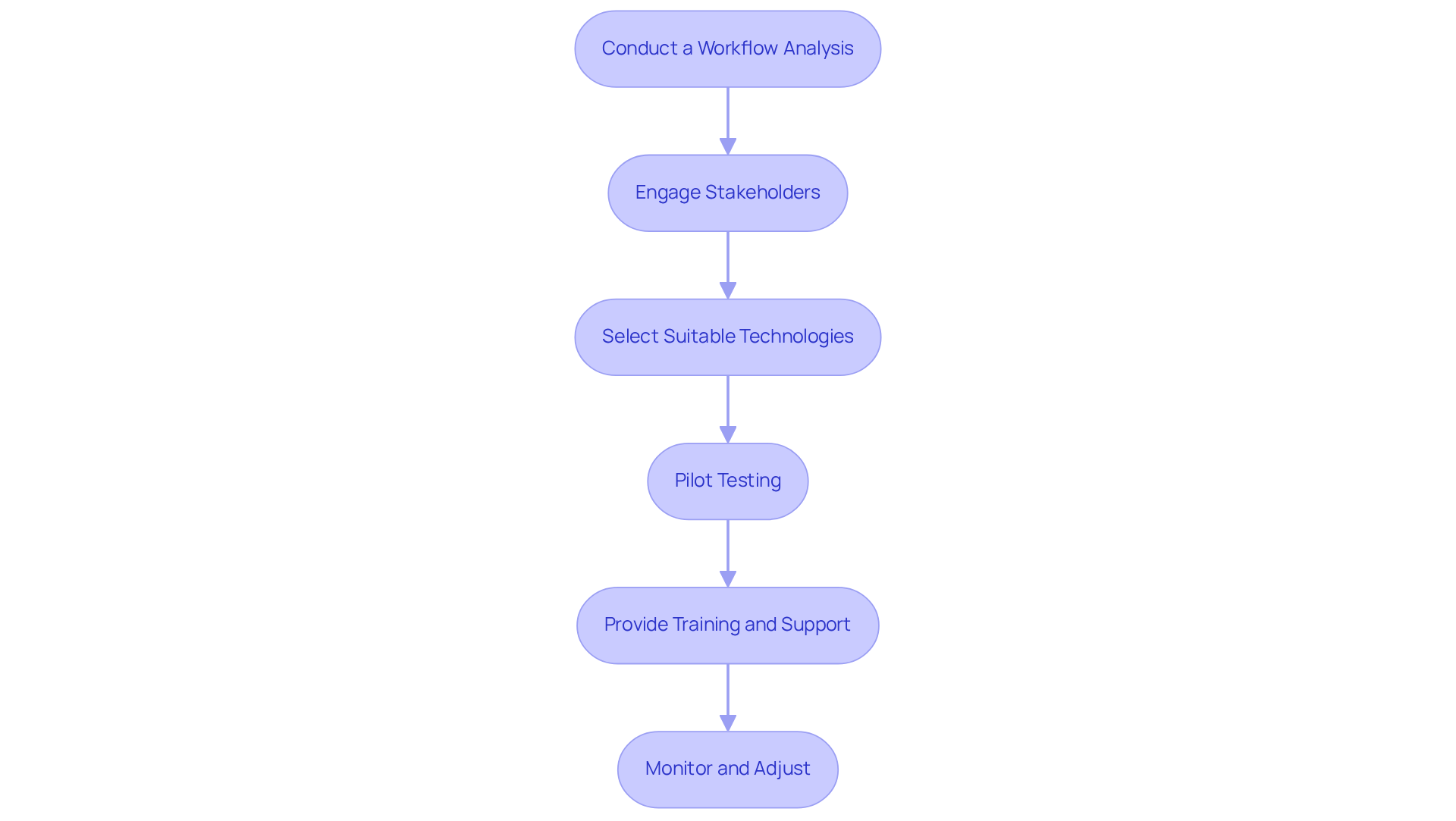
To ensure seamless integration of automated debt collection calls into existing workflows, businesses must adopt effective strategies that not only enhance efficiency but also drive results. Here are essential best practices to consider:
-
Conduct a Workflow Analysis: Begin by evaluating current workflows to identify areas where automation can deliver the most value. This assessment is crucial to ensure that new systems enhance existing processes rather than disrupt them.
-
Engage Stakeholders: Actively involve key stakeholders from departments such as IT, compliance, and customer service throughout the integration process. This collaboration brings diverse perspectives to the table, leading to a more robust and effective implementation.
-
Select Suitable Technologies: Choose mechanized retrieval solutions that align with your current systems. Ensuring compatibility reduces the need for extensive modifications and minimizes the learning curve for staff, facilitating a smoother transition.
-
Pilot Testing: Implement a pilot program to test the new system in a controlled environment. This approach allows for necessary adjustments based on real-world feedback, ensuring that any issues are addressed before a full-scale rollout.
-
Provide Training and Support: Comprehensive training for staff on the new system is essential. Equip them with the knowledge to use it effectively and address common issues that may arise, fostering confidence and competence.
-
Monitor and Adjust: Continuously track the performance of the integrated system. Regular monitoring allows for timely adjustments that enhance both efficiency and effectiveness.
By adhering to these best practices, businesses can successfully integrate automated debt collection calls into their workflows, resulting in improved performance and higher recovery rates.
Conclusion
To achieve successful automated debt collection calls, prioritizing personalization, clarity, empathy, multi-channel communication, follow-up mechanisms, and compliance with legal standards is essential. These key features not only enhance the effectiveness of the calls but also foster stronger relationships with debtors, ultimately leading to improved recovery rates.
The article outlines several best practices that can significantly impact the performance of automated debt collection efforts. By leveraging technology and analytics, companies can refine their strategies, ensuring compliance with regulations while maintaining a respectful approach towards debtors. Understanding the importance of predictive analytics, AI solutions, and continuous feedback loops is vital for optimizing communication and driving results.
Incorporating these practices into existing workflows is crucial for seamless integration and enhanced efficiency. By taking a proactive stance on compliance and utilizing innovative technology, businesses can navigate the complexities of debt collection effectively. Embracing these strategies not only mitigates risks but also builds trust with consumers, ultimately leading to a more successful financial recovery process.
Frequently Asked Questions
What are the key features of effective automated debt collection calls?
The key features include personalization, clarity and conciseness, empathy, multi-channel communication, follow-up mechanisms, and compliance features.
How does personalization improve automated debt collection calls?
Personalization improves calls by customizing messages to reflect the debtor's unique circumstances, incorporating their name and relevant account details, which fosters a more engaging interaction.
Why is clarity and conciseness important in debt collection calls?
Clarity and conciseness are important because they ensure messages are direct and easy to understand, clearly outlining the purpose of the communication and the specific actions required, which enhances compliance and reduces confusion.
What role does empathy play in automated debt collection calls?
Empathy plays a crucial role by adopting a tone that conveys understanding and support, which can lead to better engagement and improved recovery outcomes from debtors.
How can multi-channel communication enhance the effectiveness of debt collection calls?
Multi-channel communication enhances effectiveness by leveraging various methods like voice, SMS, and email, allowing debtors to choose their preferred communication method, which increases responsiveness.
What are follow-up mechanisms, and why are they important?
Follow-up mechanisms are system-generated reminders for upcoming payments or overdue accounts. They are important because consistent follow-ups keep debtors informed about their obligations, significantly improving recovery rates.
What compliance features should be considered in automated debt collection calls?
Compliance features should ensure adherence to legal regulations, such as the Fair Debt Collection Practices Act (FDCPA), to mitigate legal risks and maintain ethical standards.
How can smart analytics optimize the performance of AI agents in debt collection?
Smart analytics can optimize performance by analyzing customer data and feedback to tailor interactions, enhancing the efficiency and effectiveness of the AI agents in debt collection processes.